
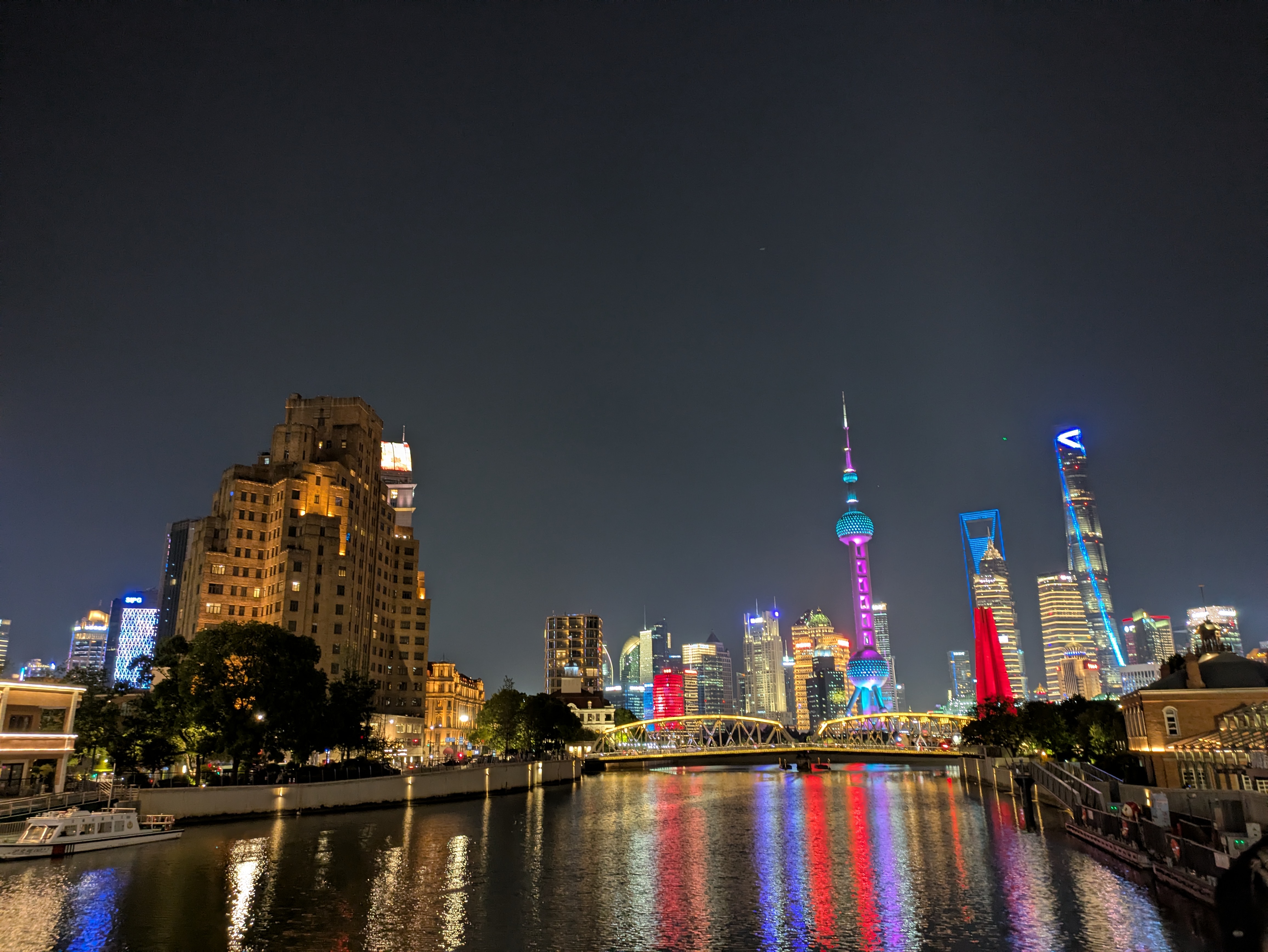
China has never been a place that was high up on my bucket list, or was somewhere I gave too much thought to. Earlier this year, my niece moved to Shanghai to complete a semester at Fudan University so I started looking at potentially going to visit. Irish citizens also have 30 days free travel within China and there were a number of flight options from Dublin, so I decided to travel there for a week in late May.
Getting There
Flights
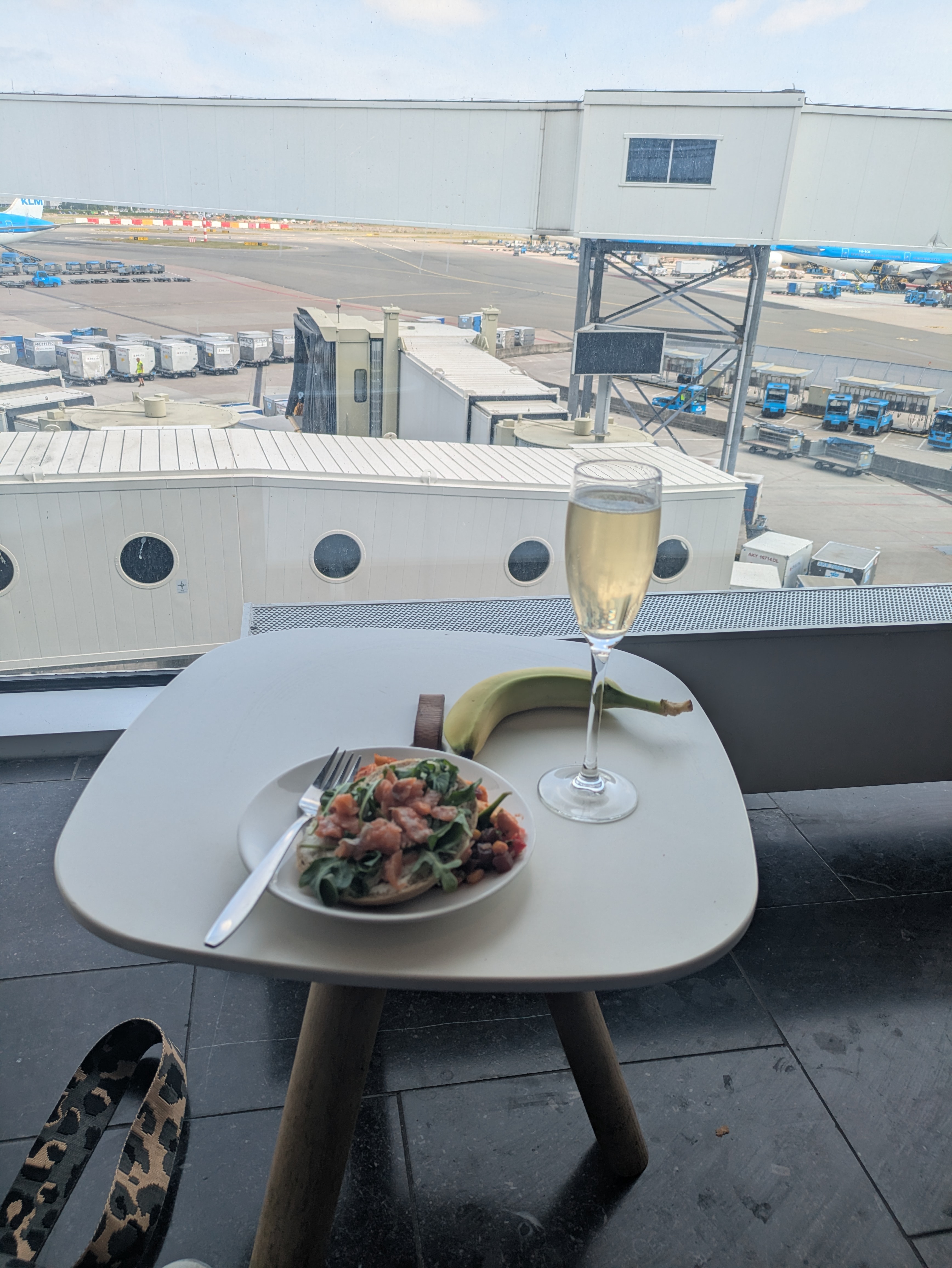
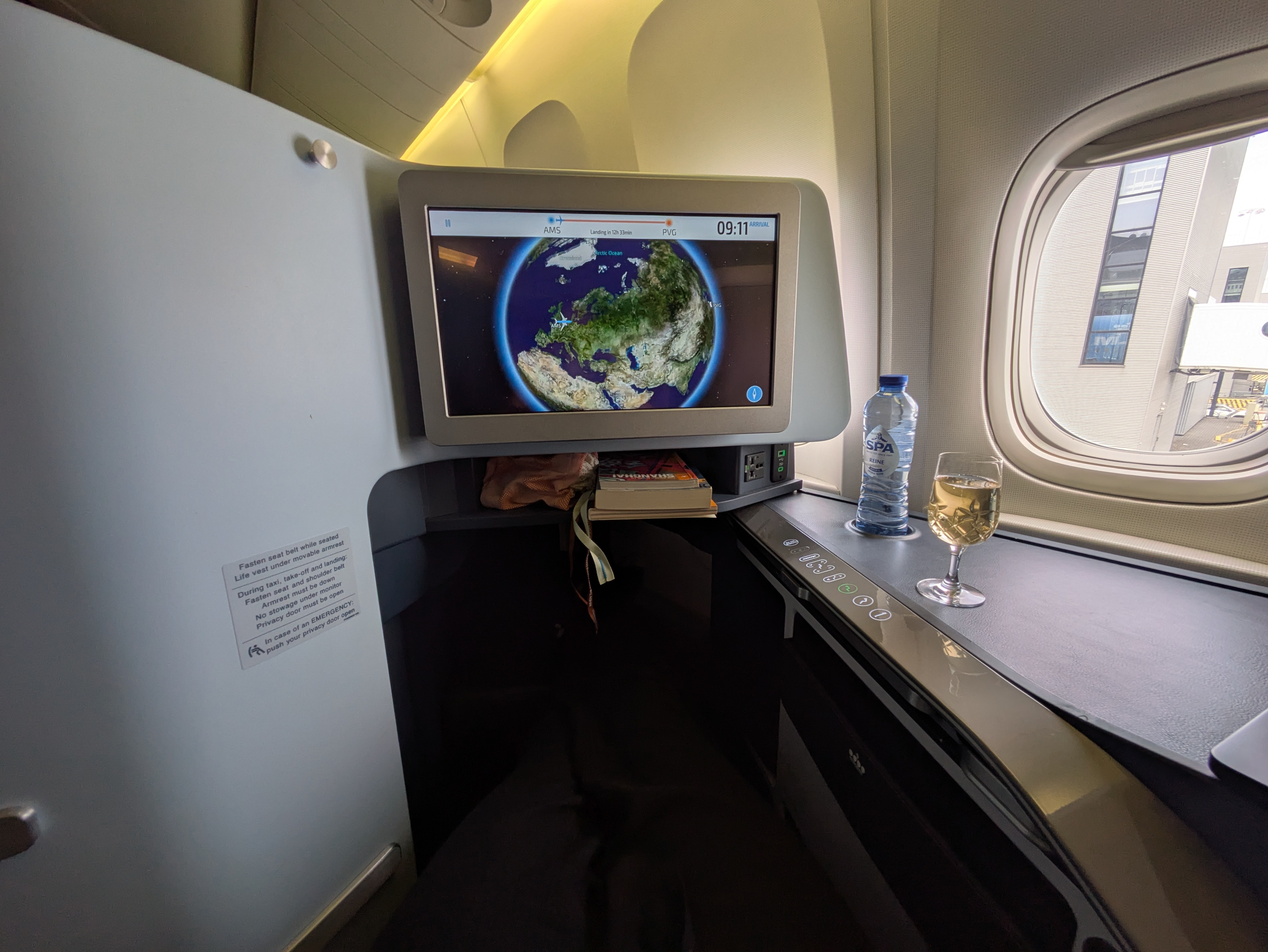
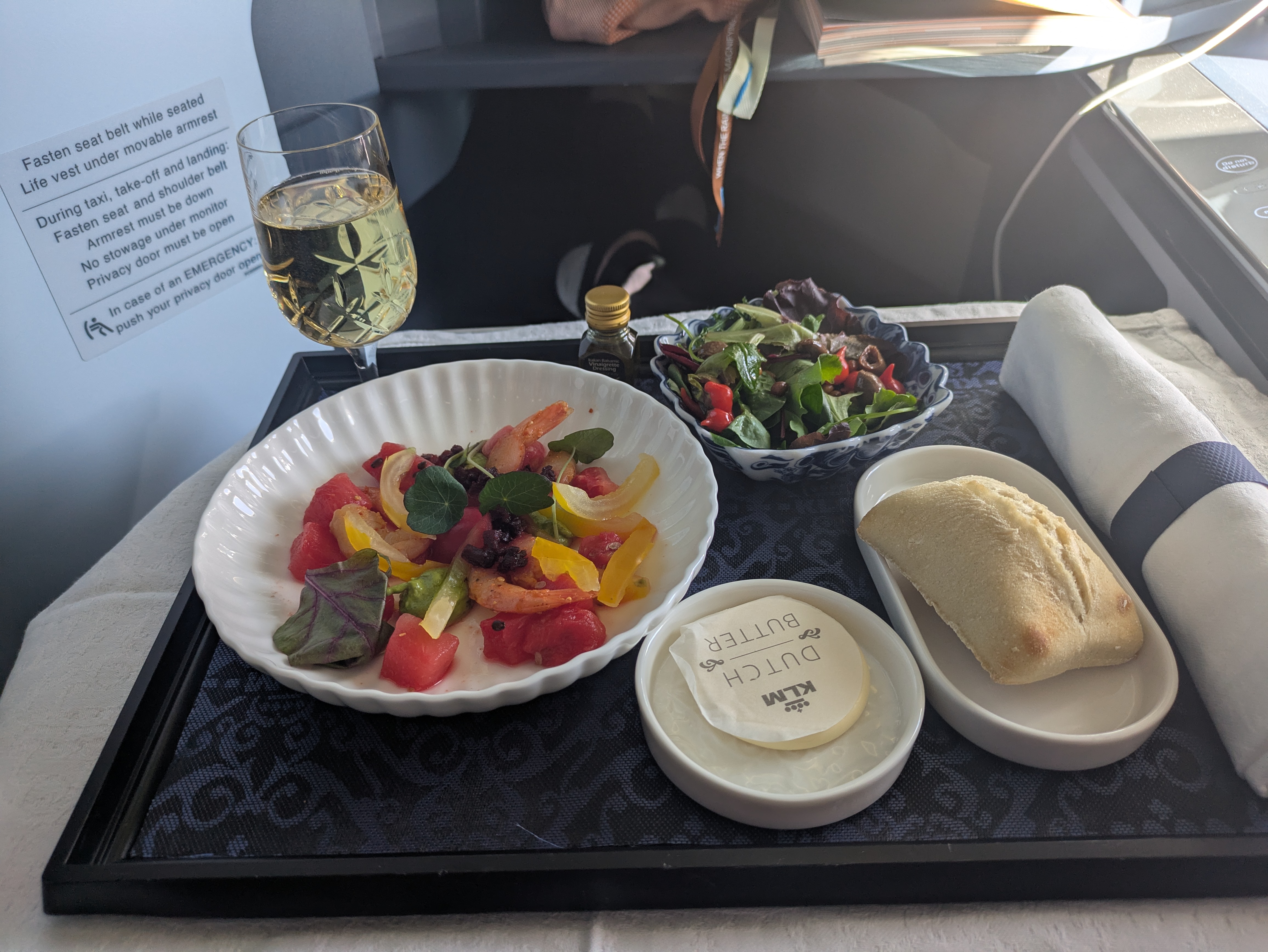
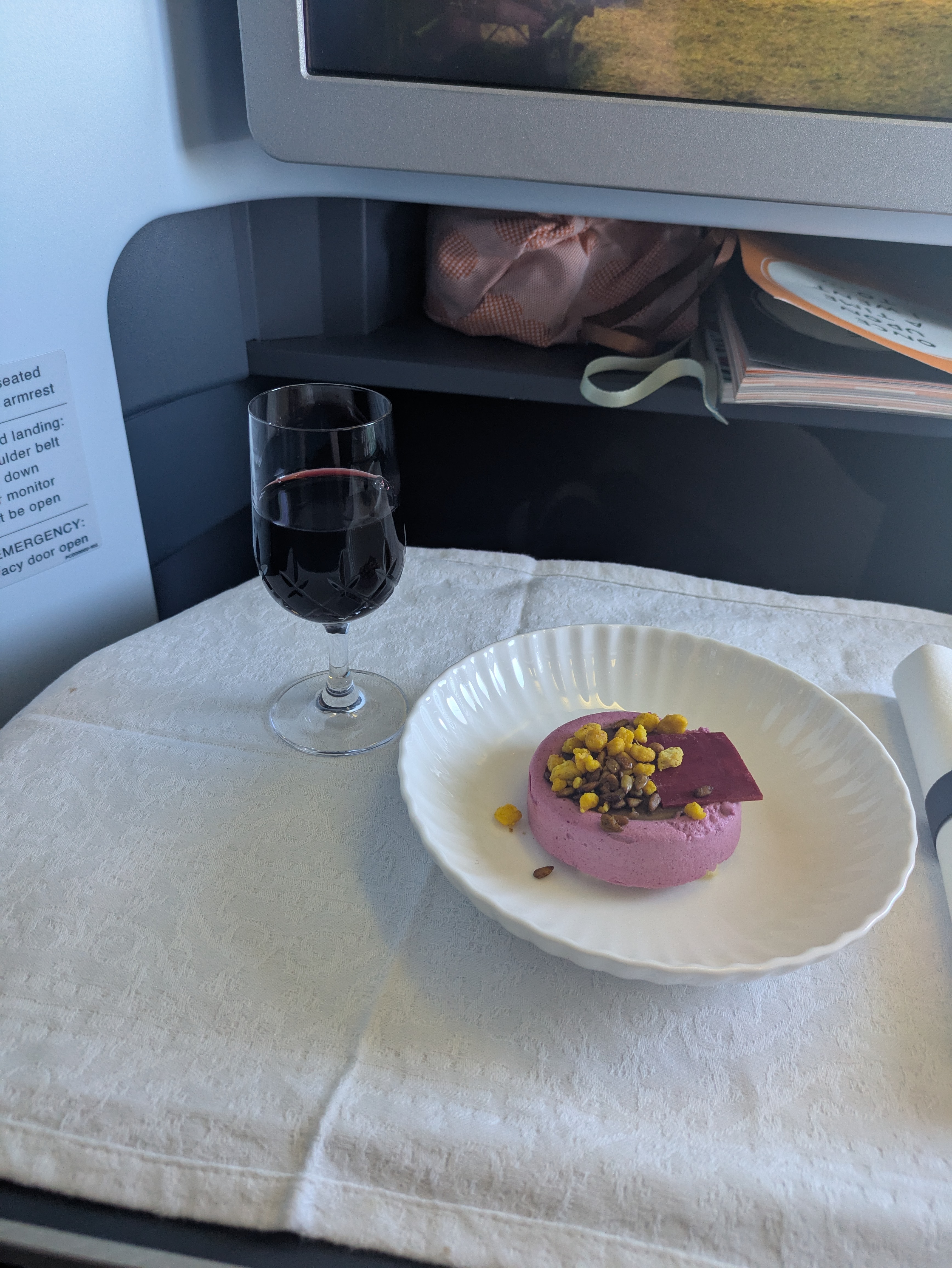
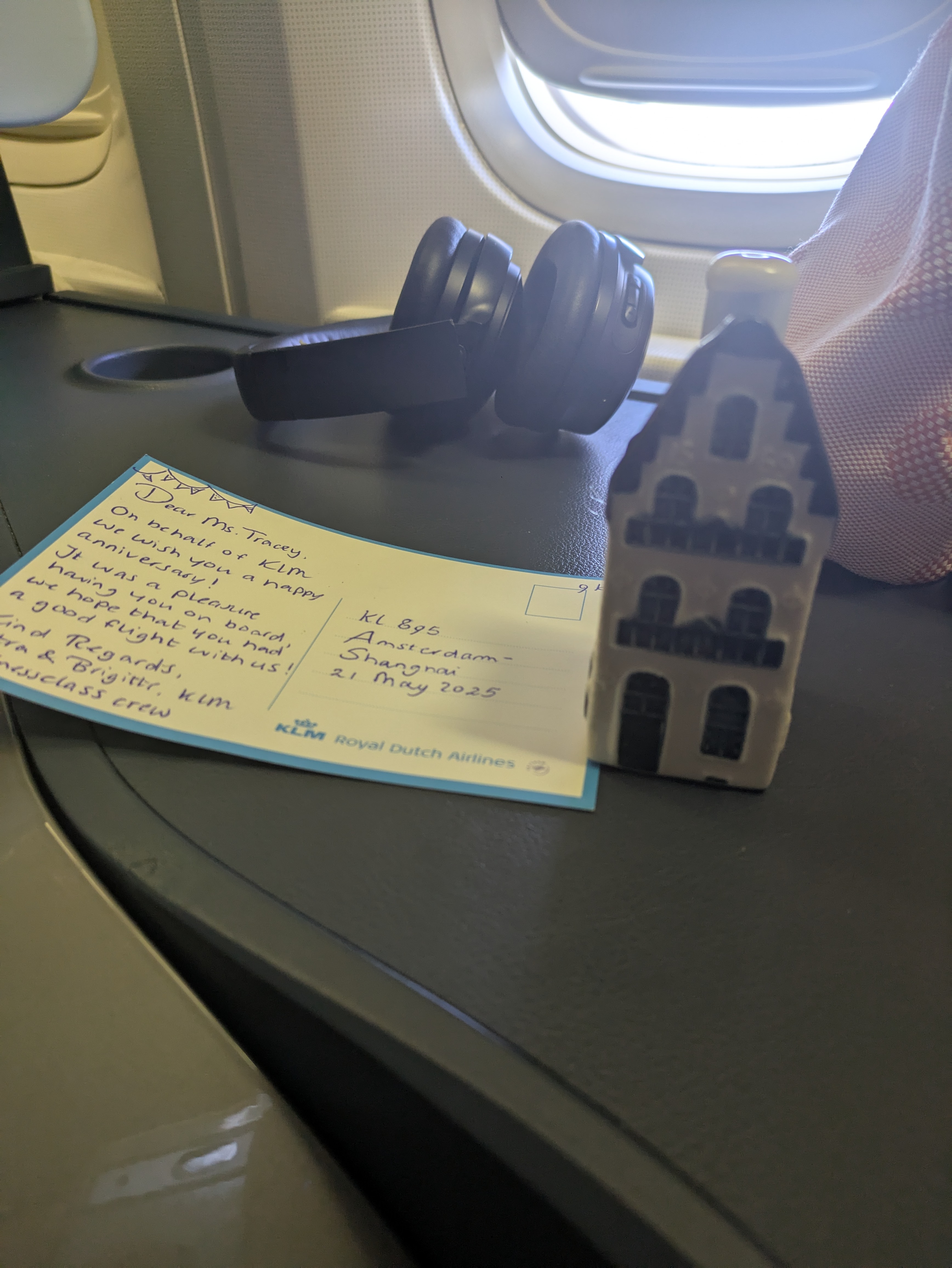
I had a somewhat limited amount of time in China, as I was going by myself, so I debated a number of routes to Shanghai that would give me the most amount of time there. I went with KLM, as they had a shorter flight time and I would arrive at 9am in Shanghai, giving me the full day to explore. Upon checking in, I was able to upgrade to business class which was fantastic for the long flight but also for the layover in Amsterdam so I could have a shower and freshen up in the lounge. Business class with KLM was nice for the long flight, but it wasn’t luxurious and not something I’d pay for again.
There are also much cheaper routes to China from Dublin, especially with a Chinese airline that has a much shorter flight time and is only 350e return.
The Airport: Landing in Shanghai, I wasn’t too sure what to expect. When you get off the plane and are walking towards immigration, there are self-serve machines for you to take your fingerprints and your photo. You continue on towards immigration and have customs where you have to declare if you are sick, then you continue on to an immigration desk. This took quite a while, because some people didn’t fill out the arrival form with the details of their stay in China before they got to immigration. I noticed that those traveling with a partner, for work or with a family took quite some time to pass through the immigration check. I was by myself and it only took a couple of minutes thankfully. They cross check your photo and fingerprints against the ones you took yourself, and they check every page of your passport for previous travel.
Once passed through immigration, you can grab your bags and get on your way. My niece was due to meet me at the airport but typical for a 21 year old college student, she was still in bed when I landed. I took some time to get the eSim set up and get AliPay working, and I went for the Maglev. I met her at the station and we headed towards the city. This is pretty impressive, the Maglev takes 8 minutes to make the 30km journey from the airport to the city, traveling at times at a max of 430km/h. It was an experience when we would pass a Maglev going towards the airport and it would shake as we passed.
Hotels: I researched the best options for hotels and found that trip.com is the best site/app to use for booking anything in China. The prices were also pretty cheap, especially as I would send hotels with Lucy to review, and she would see a different price.
As we wanted to travel outside of Shanghai also, I ended up booking 4 different hotels and trip.com was the best way to manage all the bookings. On my first night, I booked UrCove close to Fudan University and soon realised that “close” in China is an hours walk. The hotel wasn’t close to much except a number of large shopping malls and it was also pretty grim looking from the outside.
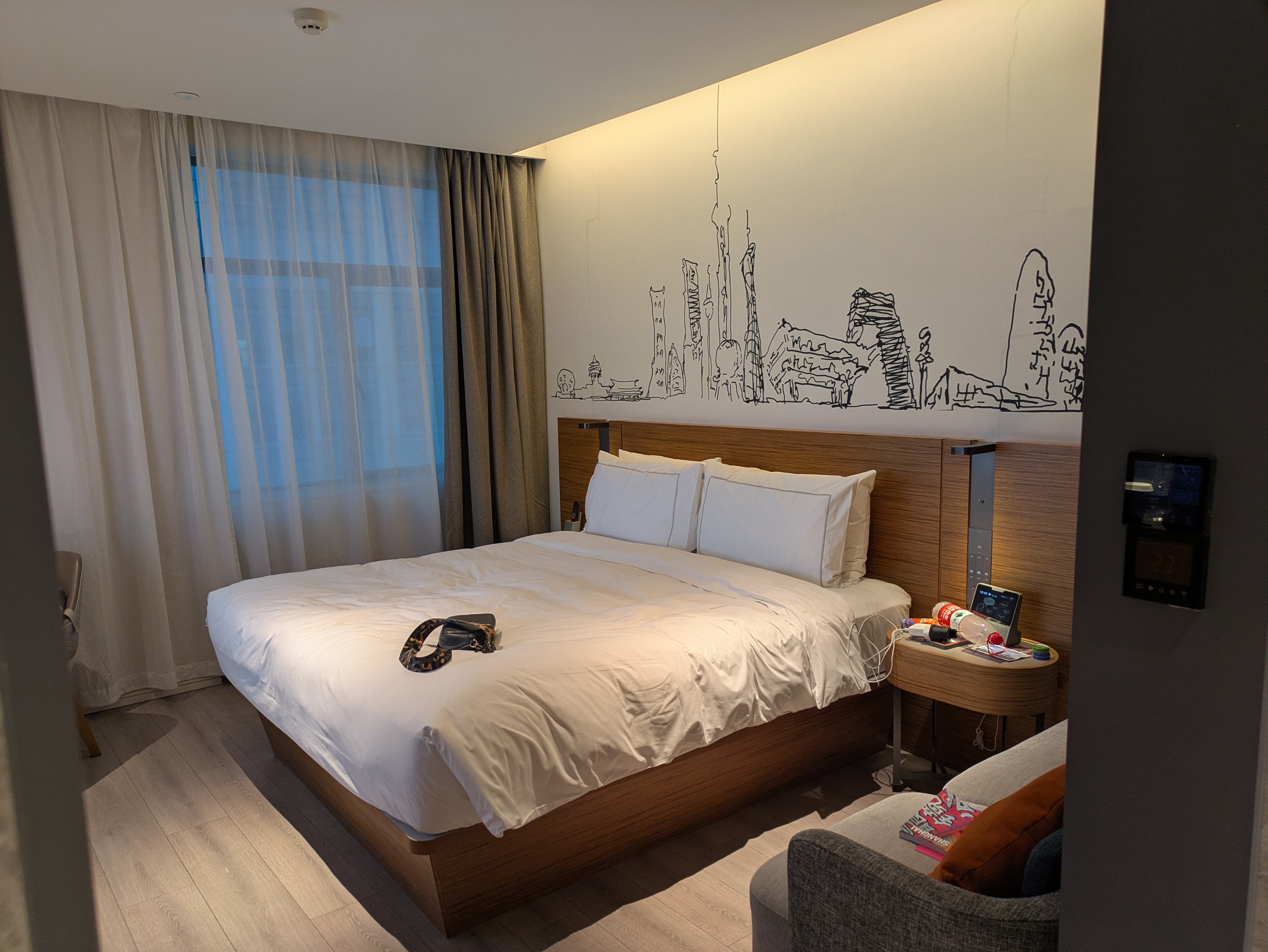
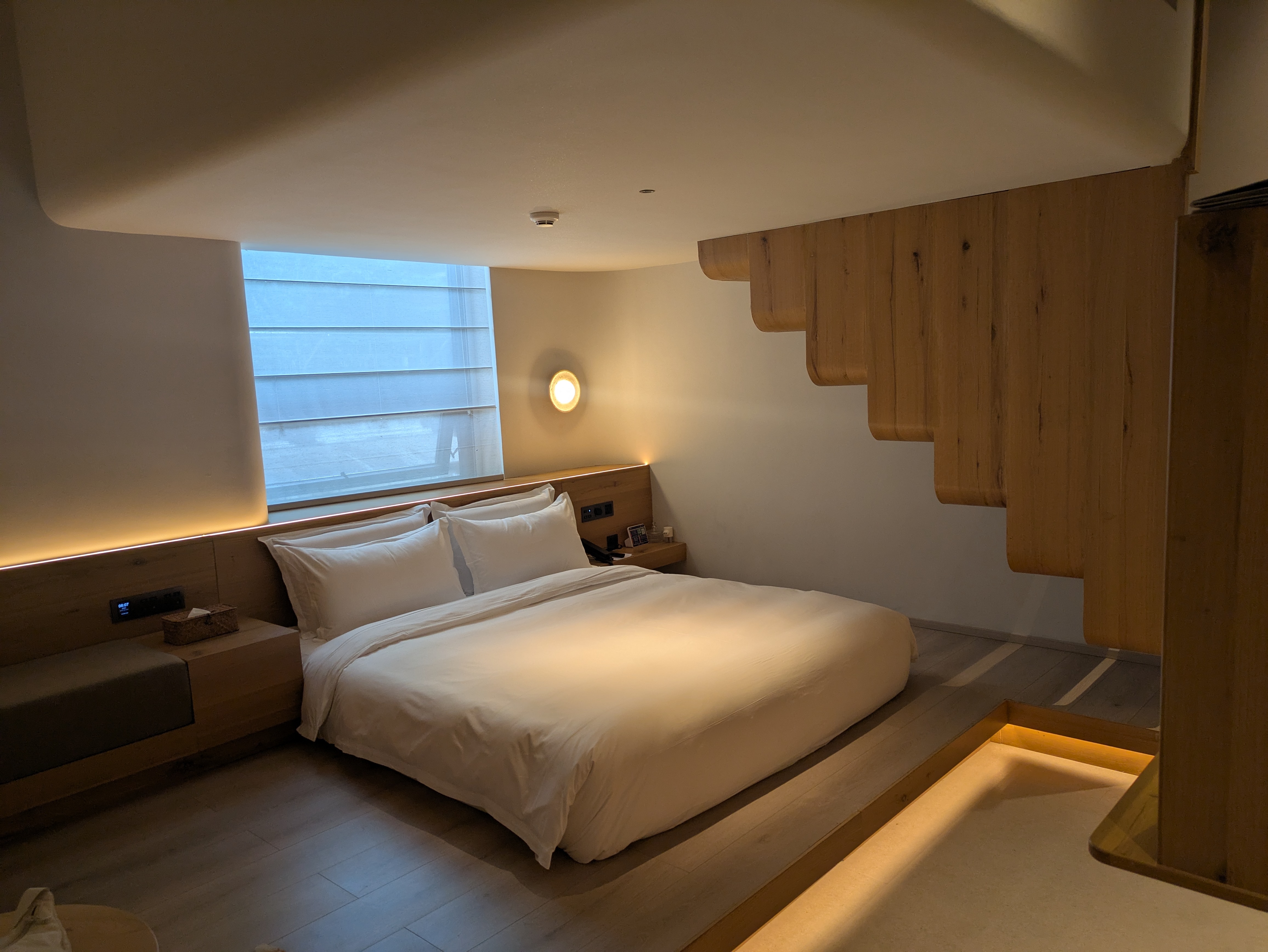
For the rest of my time in Shanghai, I was booked into the UrCove in Jing’An, which was great. I was only meant to stay here for 3 nights, but I ended up staying for a fourth. The location was perfect – with the Jing’An Temple close by, two minutes to the metro and lots of bikes available.
Trains: We were traveling to two other cities close to Shanghai, so traveling by train was the best option. You are only allowed book train tickets two weeks in advance, and again this goes through trip.com.
The train station was an experience, you queue up outside the door and go through security as you walk inside (bags scanned, metal detectors etc.), then you had to present your passport to be checked. Without a Chinese identity card, you go through the manual checking. Once through there you can find the specific gate for boarding, and again you need to get your passport checked to get to the platform (your passport is essentially your ticket for traveling), then you go to the platform and line up according to your carriage number.
The trains are super efficient but the stations are huge and it’s like an airport trying to get inside them. In some cases the train station is bigger than an airport.
Navigating China
I was initially quite nervous about navigating Shanghai as I had read so much about western apps not working, needing to use VPN and how it was now a cashless country. I leveraged Reddit a lot in trying to figure out how I would get from the airport to my hotel, because I didn’t want to be stranded.
Below were the key things that were needed to navigate Shanghai.
Phone: Bringing your phone sounds obvious, but I don’t see a way to survive in China without a phone. Everything is managed through AliPay (see below) and there are power banks literally everywhere you go – from shops, restaurants to just the side of the street. For some reason the fast charging powerbanks wouldn’t work through AliPay for me, but I could get the slower ones and rent them for a couple of hours at a time.
eSim: Looking into eSim options, Trip.com was the best approach to getting one. I booked the one that had over 100k purchases to date and got about 50gb for 8 days for 15e. I didn’t think I would use that much data, but I was planning on hot-spotting from my phone to my laptop, and Lucy ended up using it a lot too. In the end I used about 20gb over the 8 days.
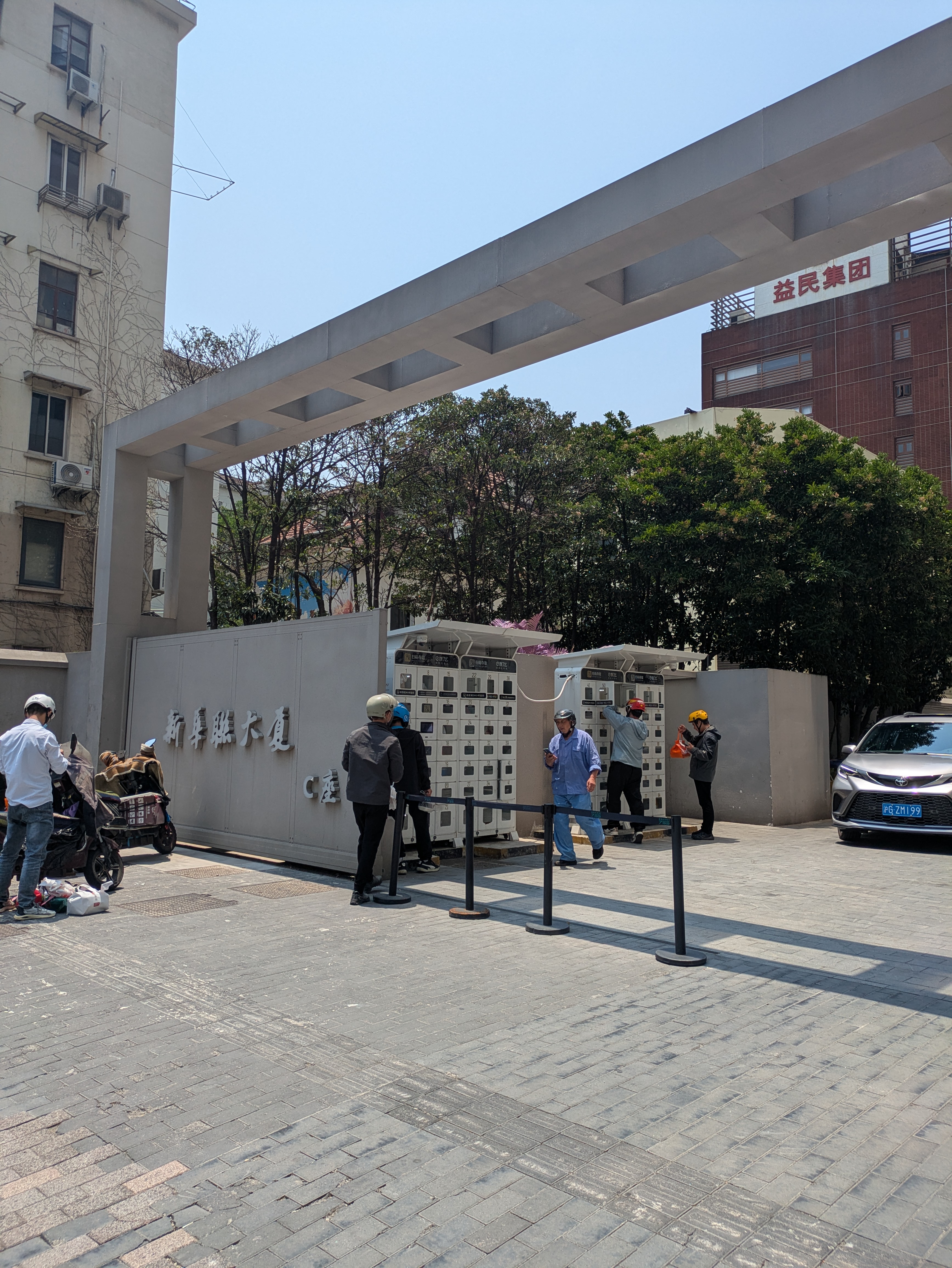
AliPay: I downloaded AliPay before I flew so I had my QR code for paying setup straight away. I didn’t realise how every little thing is through AliPay, not just the payments. There are “mini-apps” within it, where you can order a taxi (didi), order a coffee, order in a restaurant, rent a bike, use public transport or use the currency converter – and so so so much more. Life here is so dependent on AliPay but it’s exceptionally convenient. One thing that surprised me was how much everything was done on this app, late one night I was walking back to my hotel and found a little fresh fruit shop – they couldn’t take my order because it could only be done through the app. I ended up going back to my apartment, figuring out what the take-away “mini-app” was on AliPay, ordering my fruit and walking back at 1am to collect it.
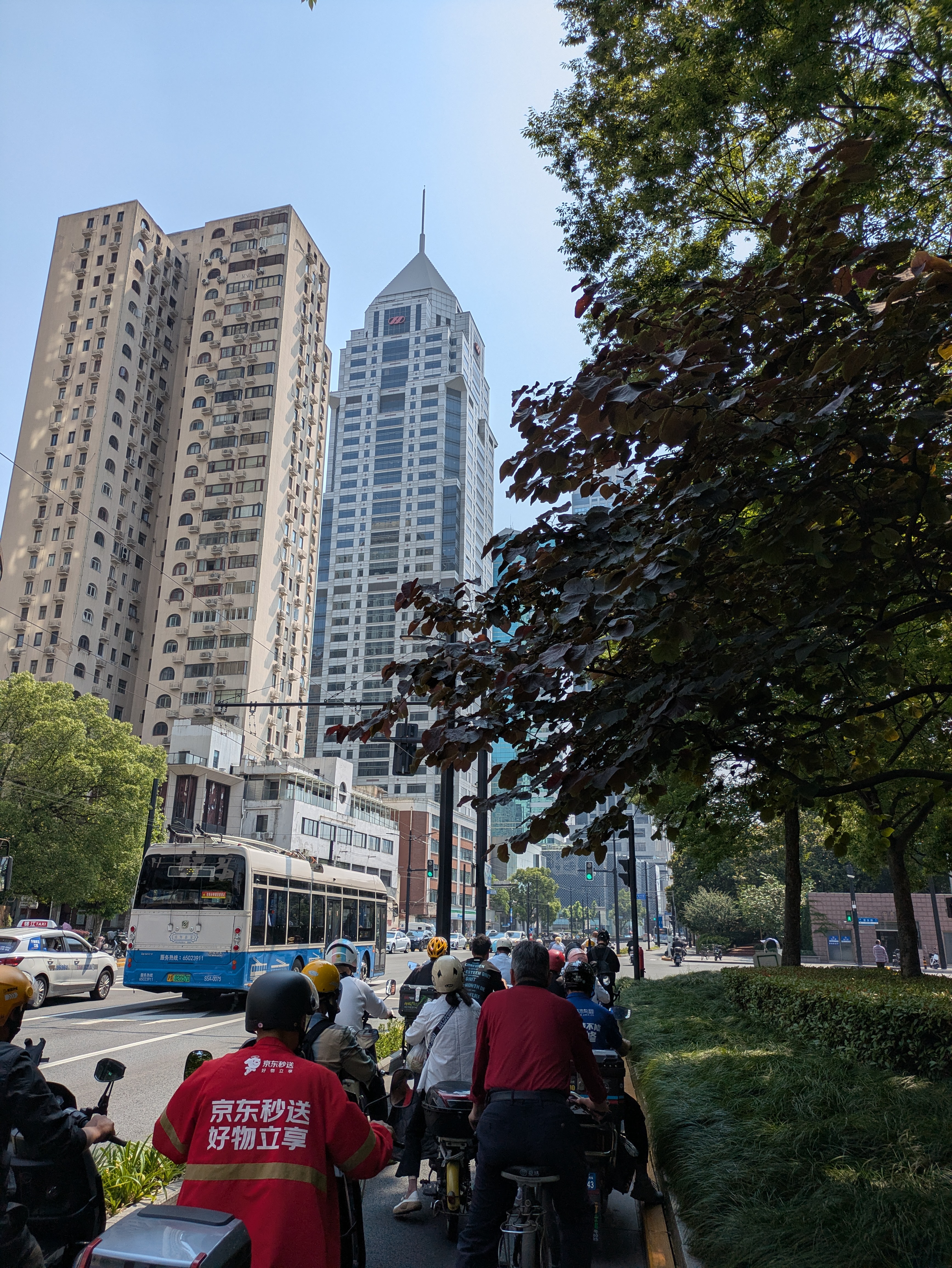
Cycling: Lucy signed me up for unlimited bike rides for a week, so I didn’t think too much about cycling in Shanghai but it’s certainly an experience. You are cycling through massive junctions with 8-10 lanes of traffic in each direction, you’re one of about 50 bikes amongst a swarm of mopeds and pedestrians and you have no choice but to just go for it. You cannot hesitate or you will cause a crash, you back yourself and you just cycle across oncoming cars and mopeds and rely on everyone else around you to react. It was interesting, but it worked well and was something I actually miss – especially coming back to Ireland, where there is an endless supply of shit drivers, cyclists and pedestrians.
Amap: I have an android phone, which meant that Google maps wouldn’t work for me. I downloaded Amap, which was good for directions from point A to point B, but the UI was pretty poor. I had saved a lot of places that I wanted to visit but I couldn’t easily differentiate between what was a sight to see or what was a restaurant. The odd time I would try to use Google maps to understand where I was and where I wanted to go to, then use Amap once I knew exactly what I wanted. If you have an iPhone, there is no need for another map app, as Apple Maps works.
WeChat: I downloaded WeChat back in January to chat to Lucy, however I didn’t check it before my flight and didn’t realise I had been logged out. I wasn’t able to logback in when I arrived and it turned out I’d been blocked. It may have been because of my Pixel phone or the eSim but I spent the trip without it. This was quite inconvenient because hotels would add you on WeChat and communicate with you throughout your stay and some places took payment/orders through WeChat. I managed to get by with just AliPay.
Overall Experience
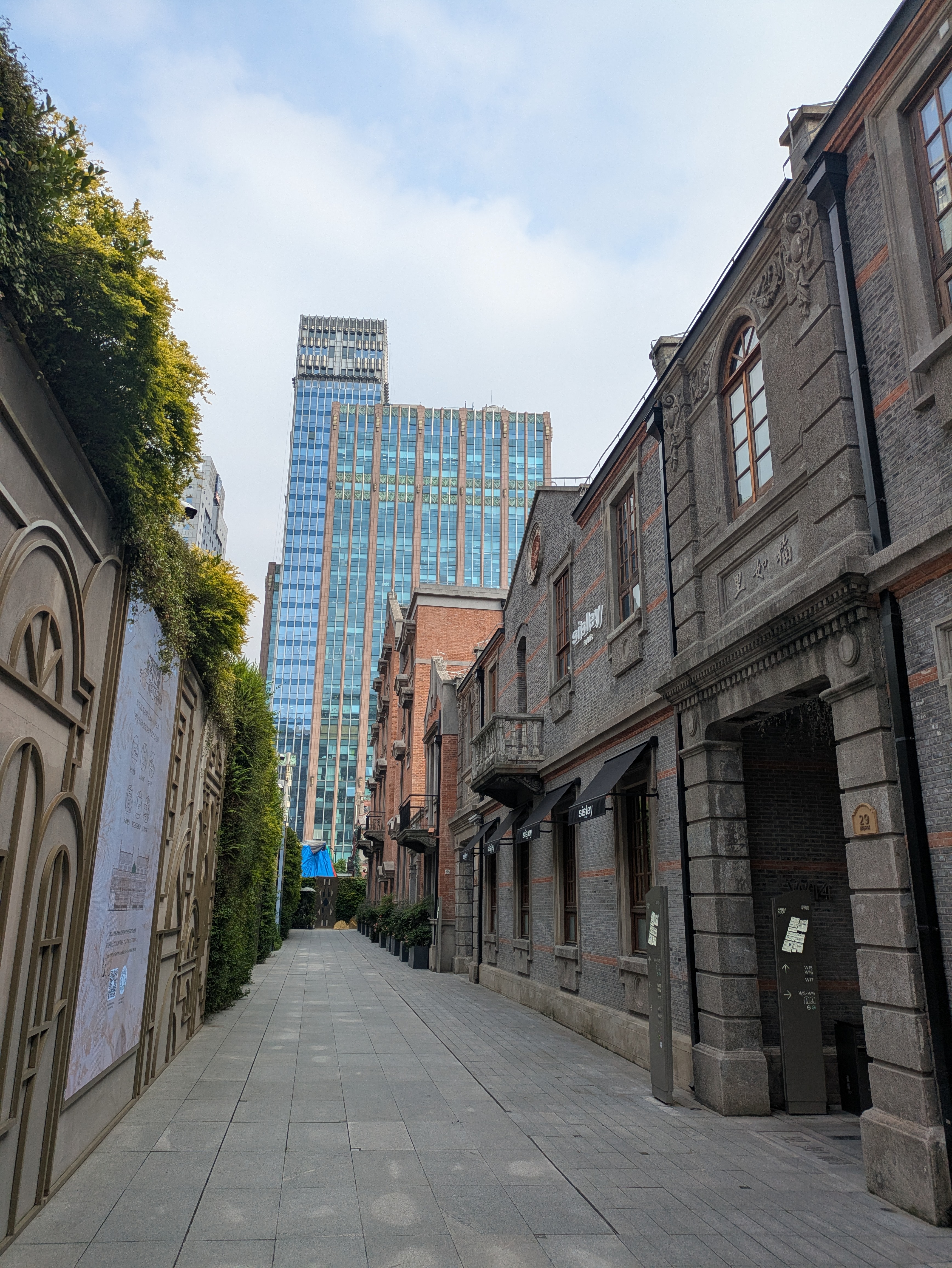
My overall thoughts on China are quite positive. It’s like east meets west and reminded me of an American city with its infrastructure and cars, meeting Hanoi with it’s mopeds and pedestrians.
Everything was so efficient with its use of technology, but that I’m sure is connected with the constant surveillance and what better way to do that than have all aspects of daily life be managed with one app. I wasn’t sure what to expect traveling to a city with a population of over 24 million, but I was pleasantly surprised as it wasn’t overwhelming at all.
Shanghai definitely felt quite soulless, but from my research, covid seemed to totally change the city and it’s nothing like it was pre-covid. It’s just a variety of smaller cities all merged to create on huge metropolis. I wouldn’t visit Shanghai again, but I would like to go to Nanjing – had I planned my trip better I would have done Nanjing this time. I will go back to China again but would travel more towards Beijing and also look inland to get a different experience.

 The Cocktail Tourist