I had the day to myself to explore Shanghai as Lucy was in Uni, so I rented a bike using the AliPay app and spent the day cycling through the city. This is the route I took on the Monday. On Tuesday, I got a bike and cycled to sights north of the city (1933 Millfun and M50) before meeting up with Lucy for the afternoon. Below are the main spots I got to explore. Even though Shanghai is a massive city, a couple of days is all you really need to explore it.
Former French Concession
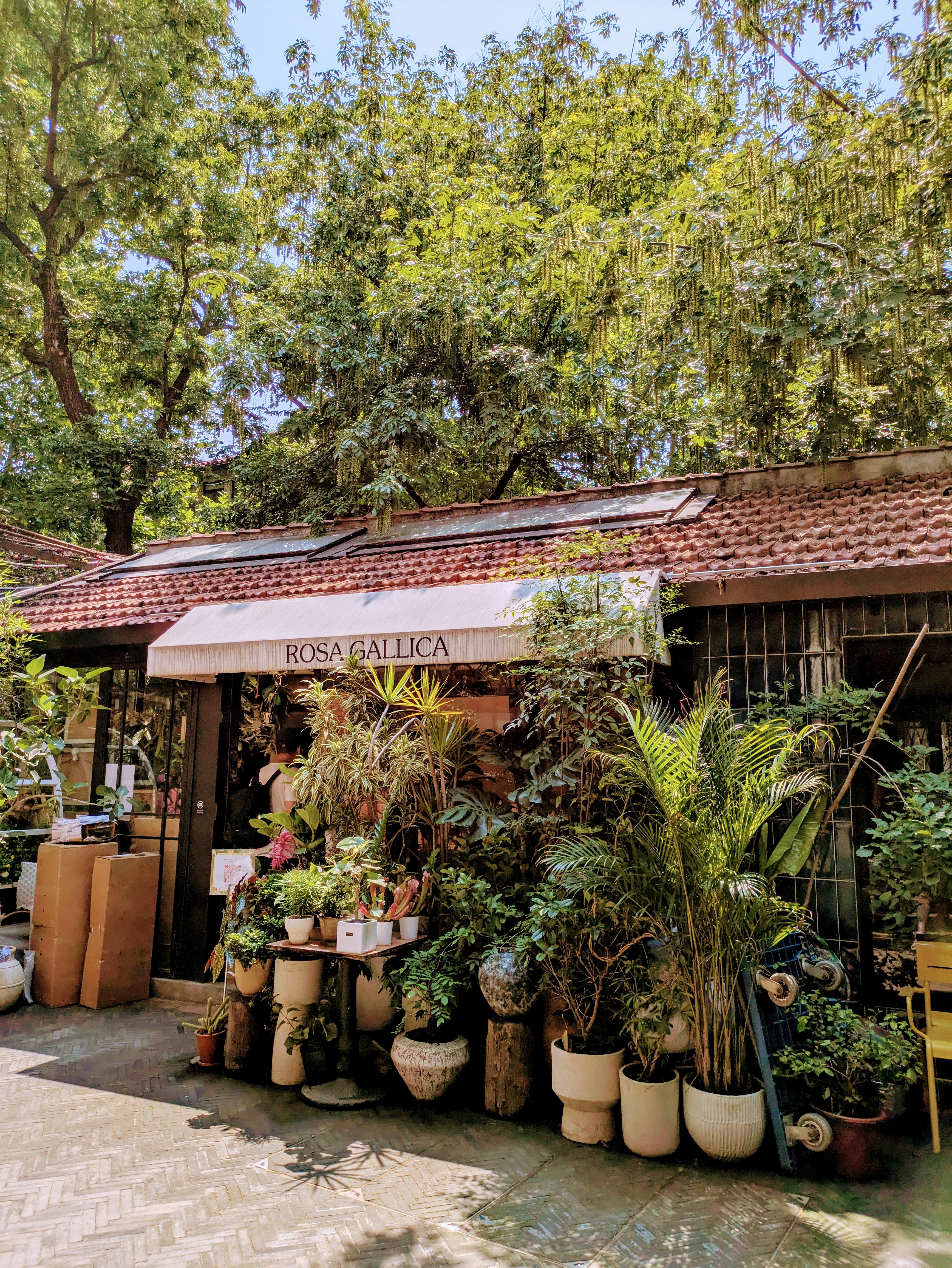
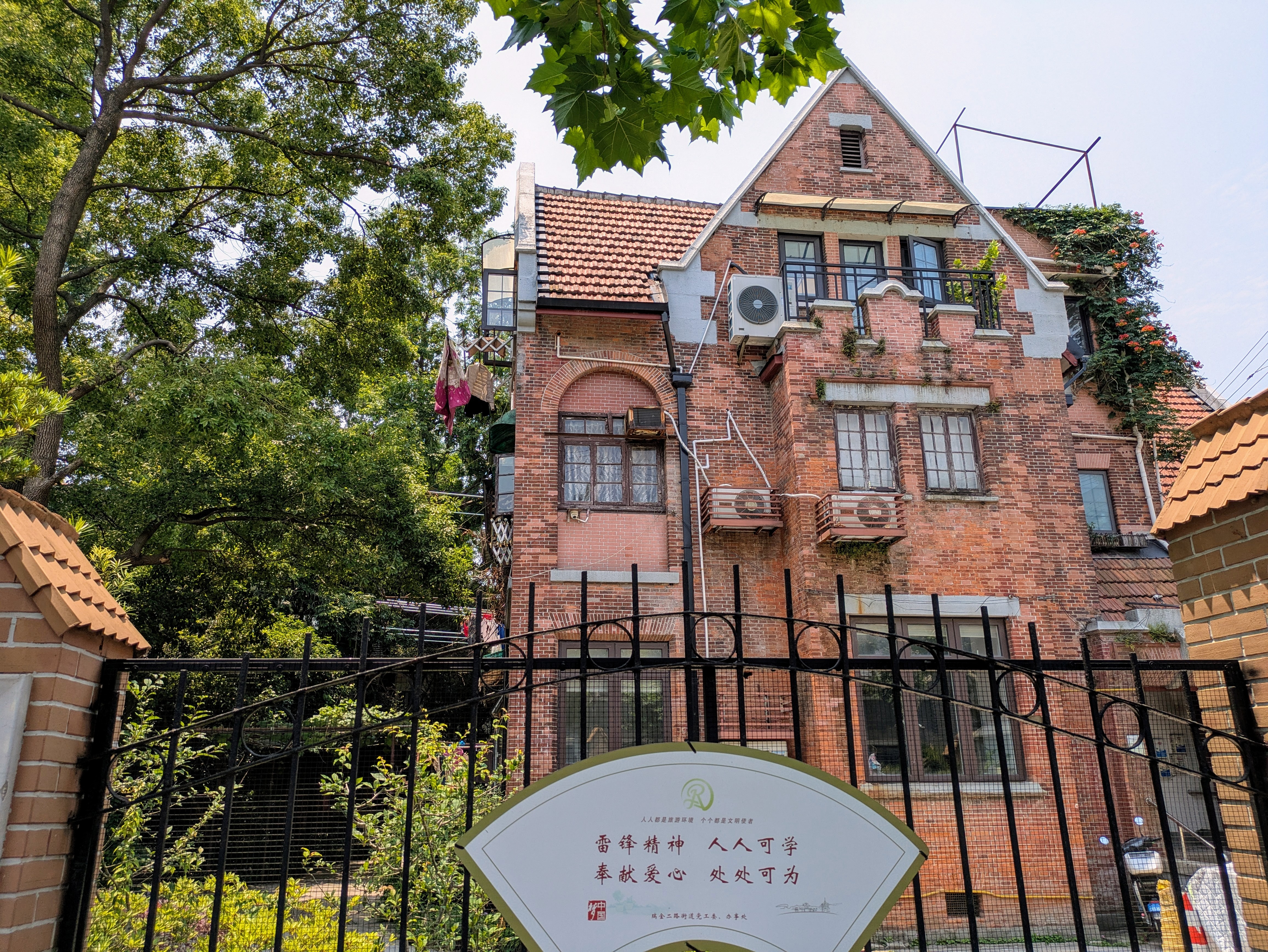
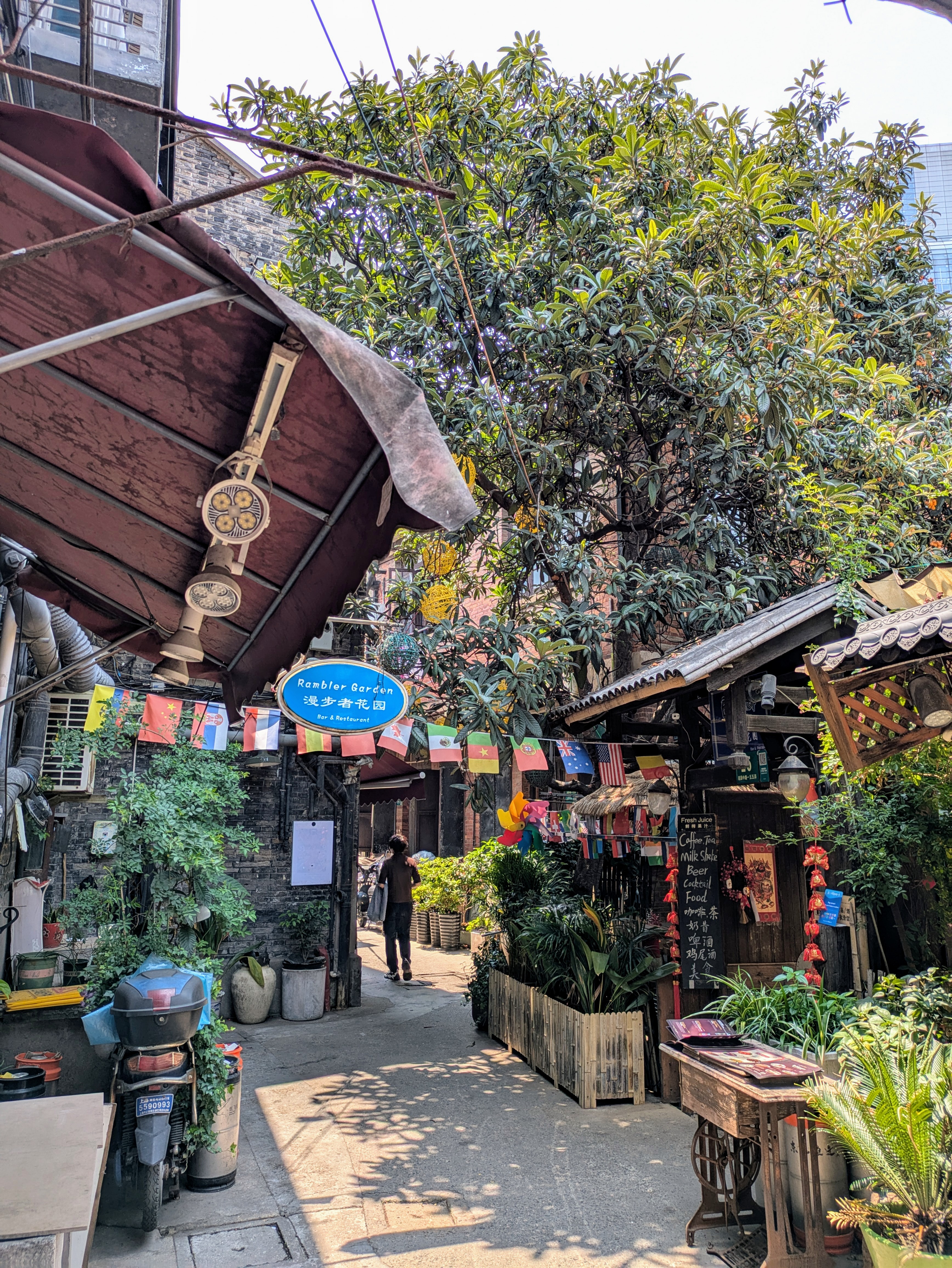
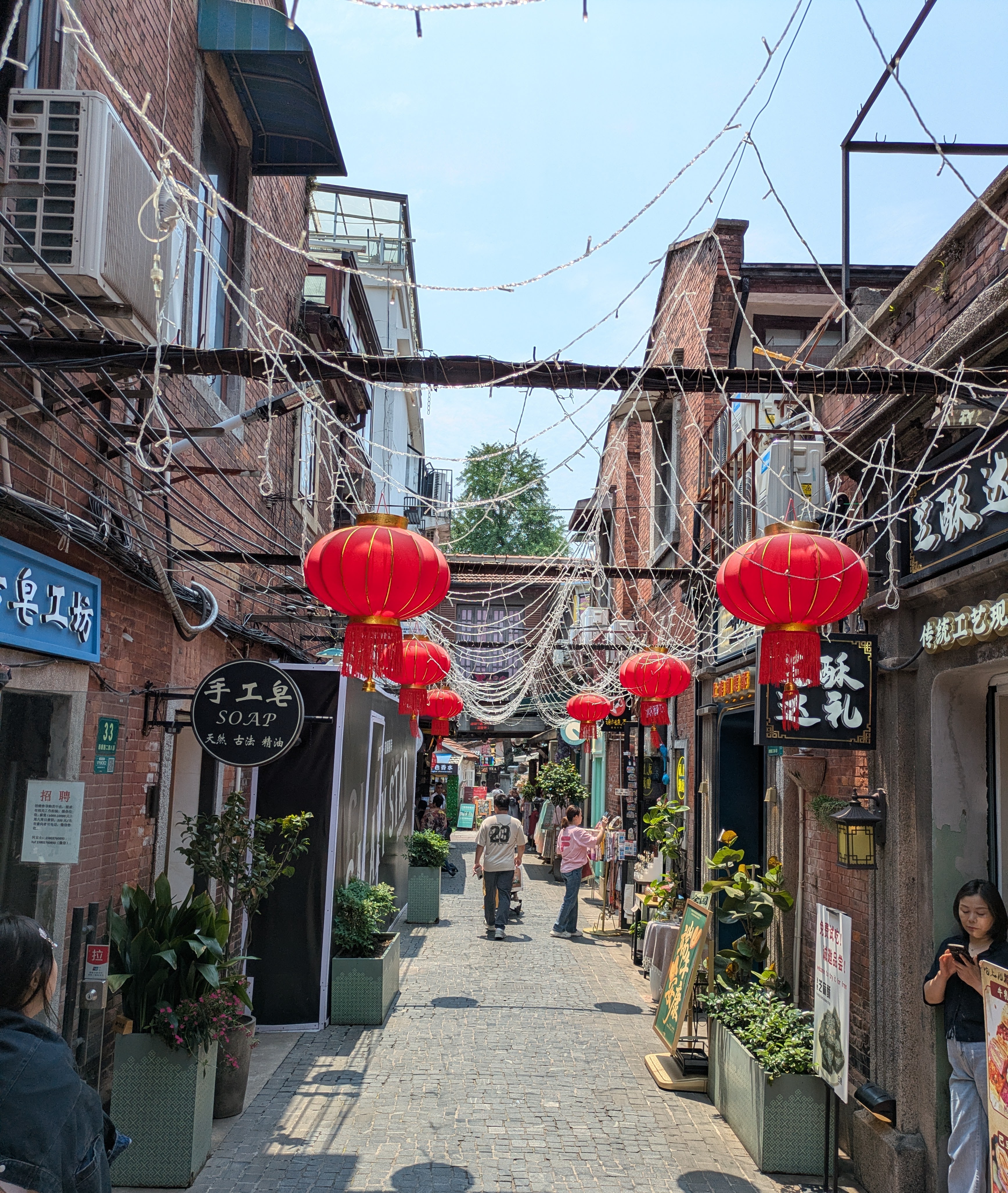
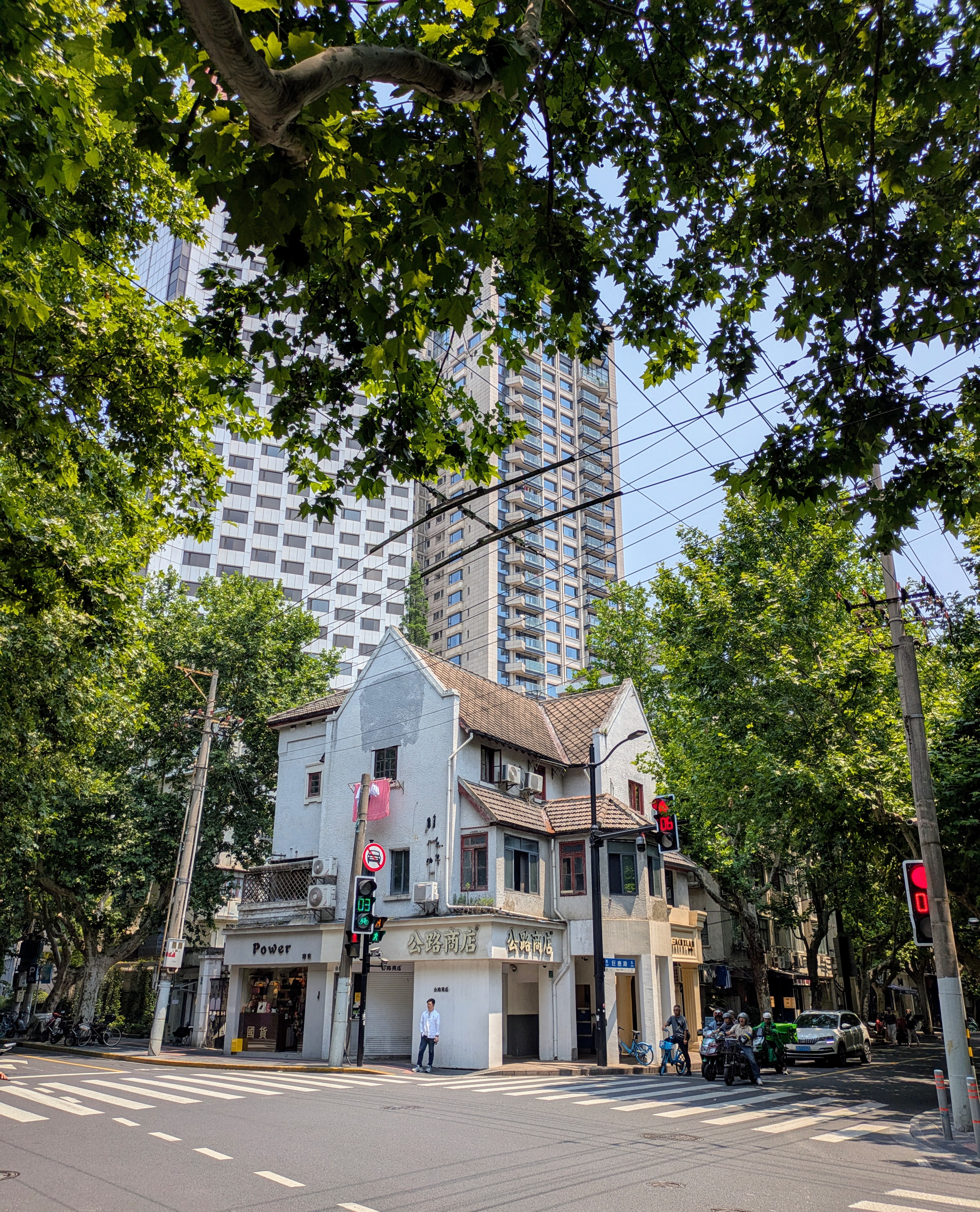
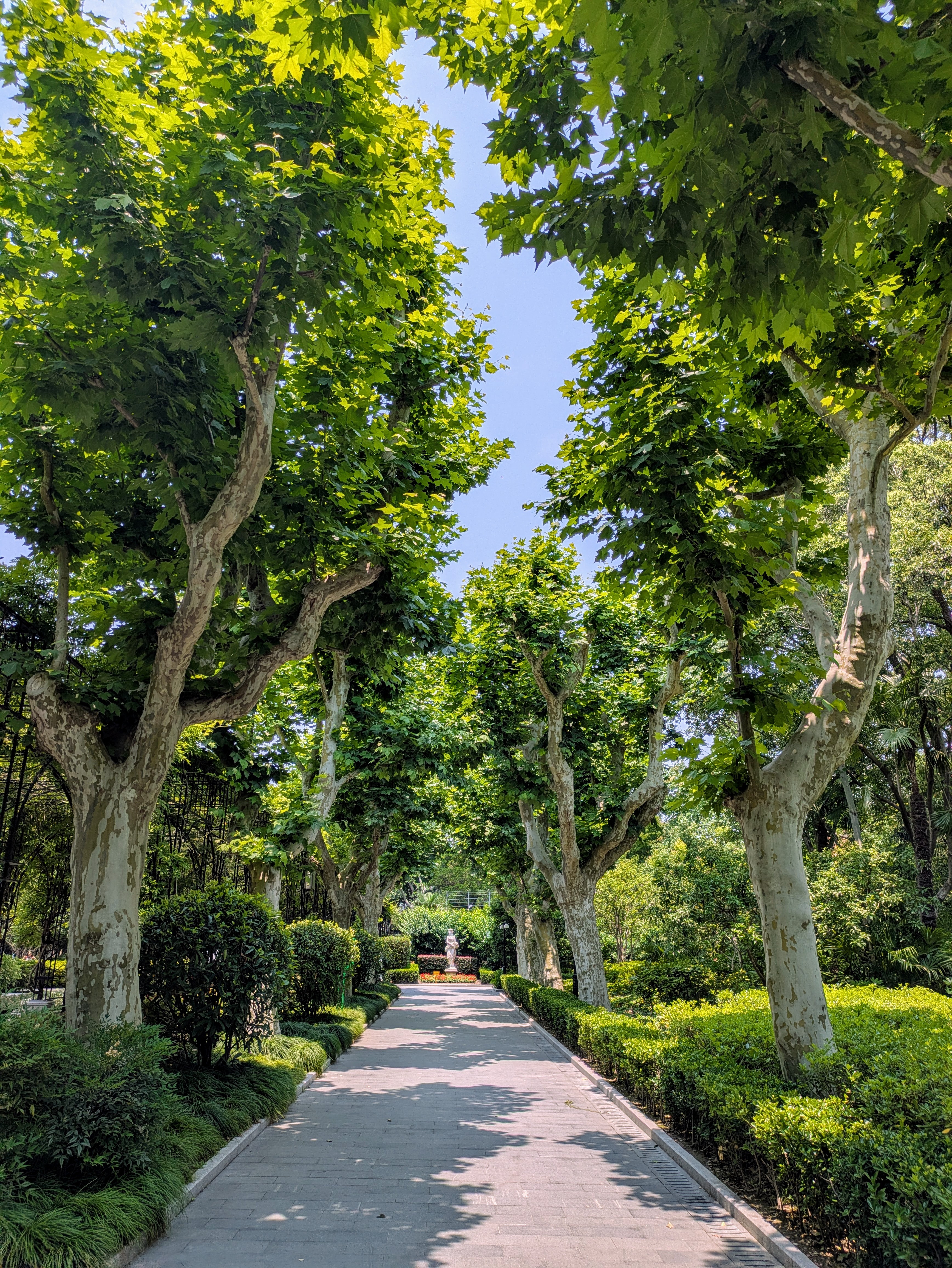
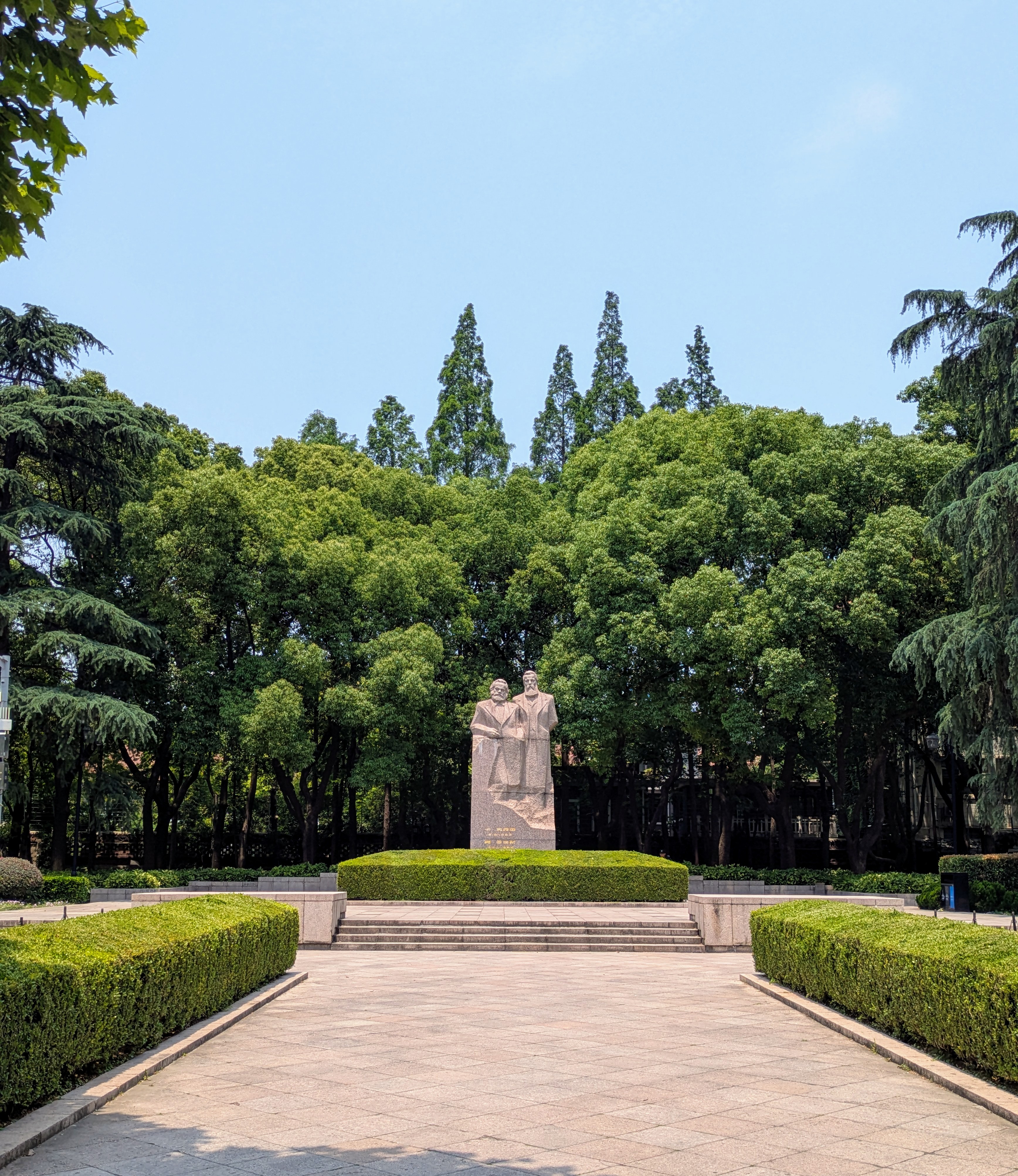
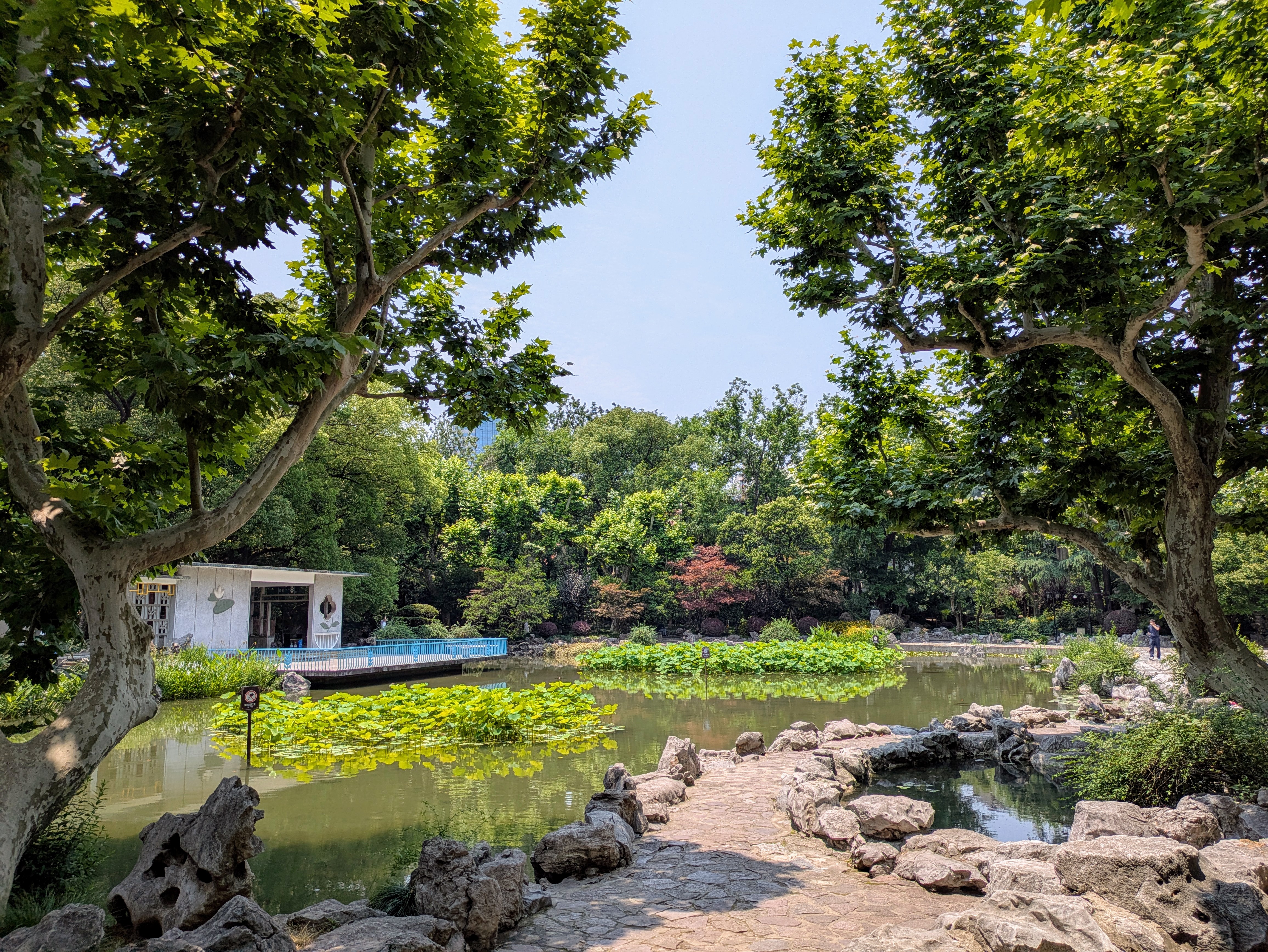
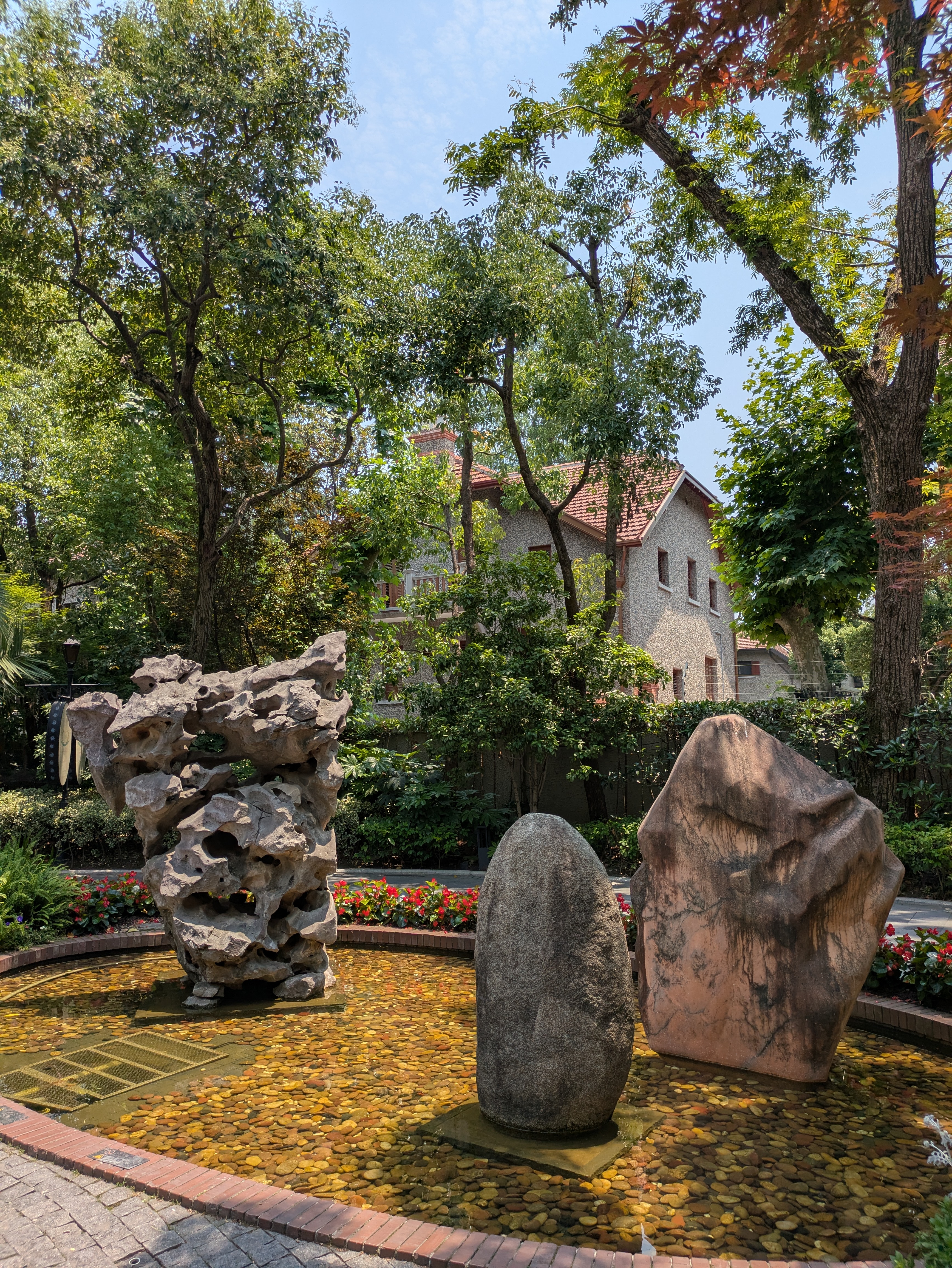
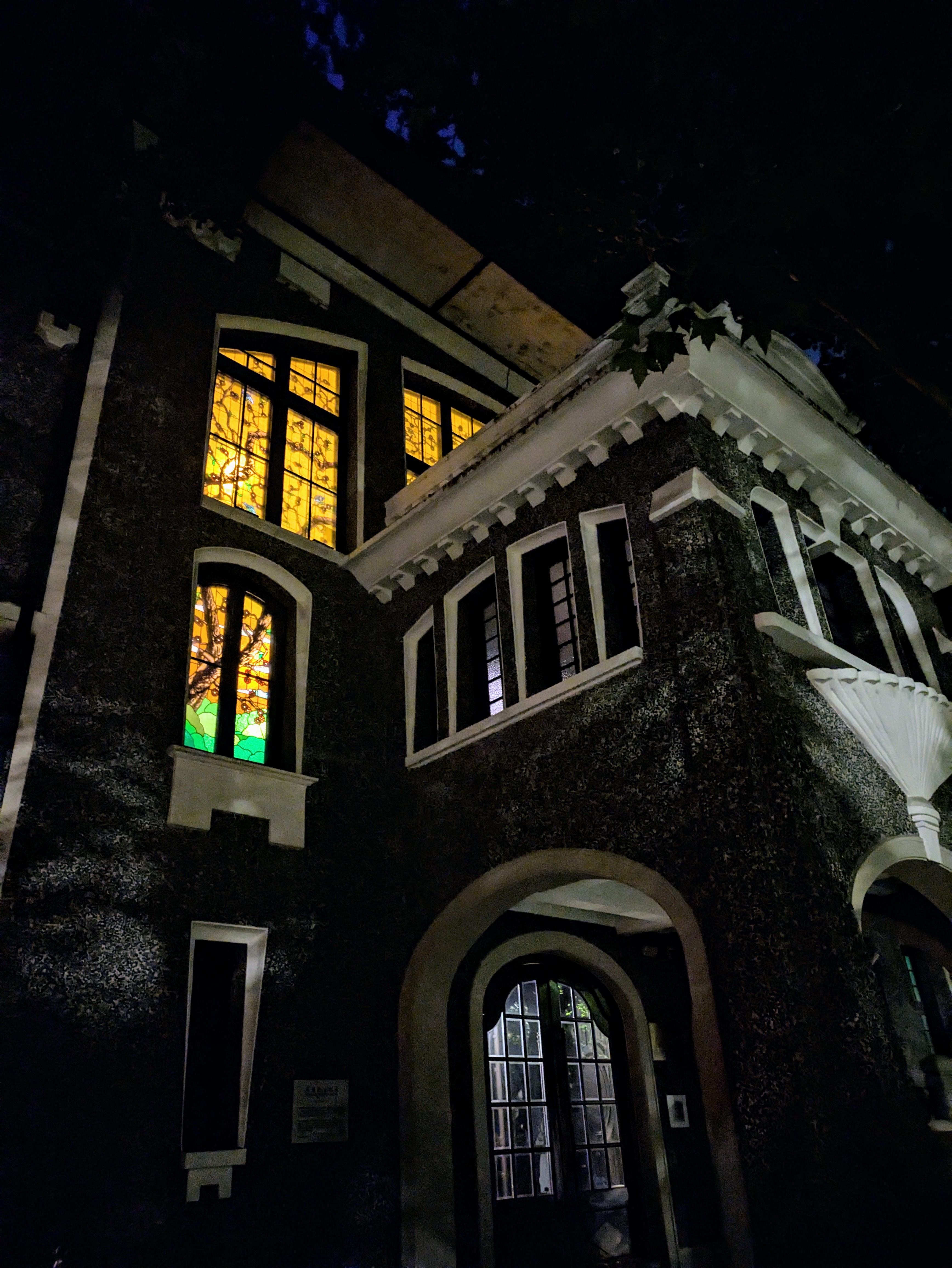
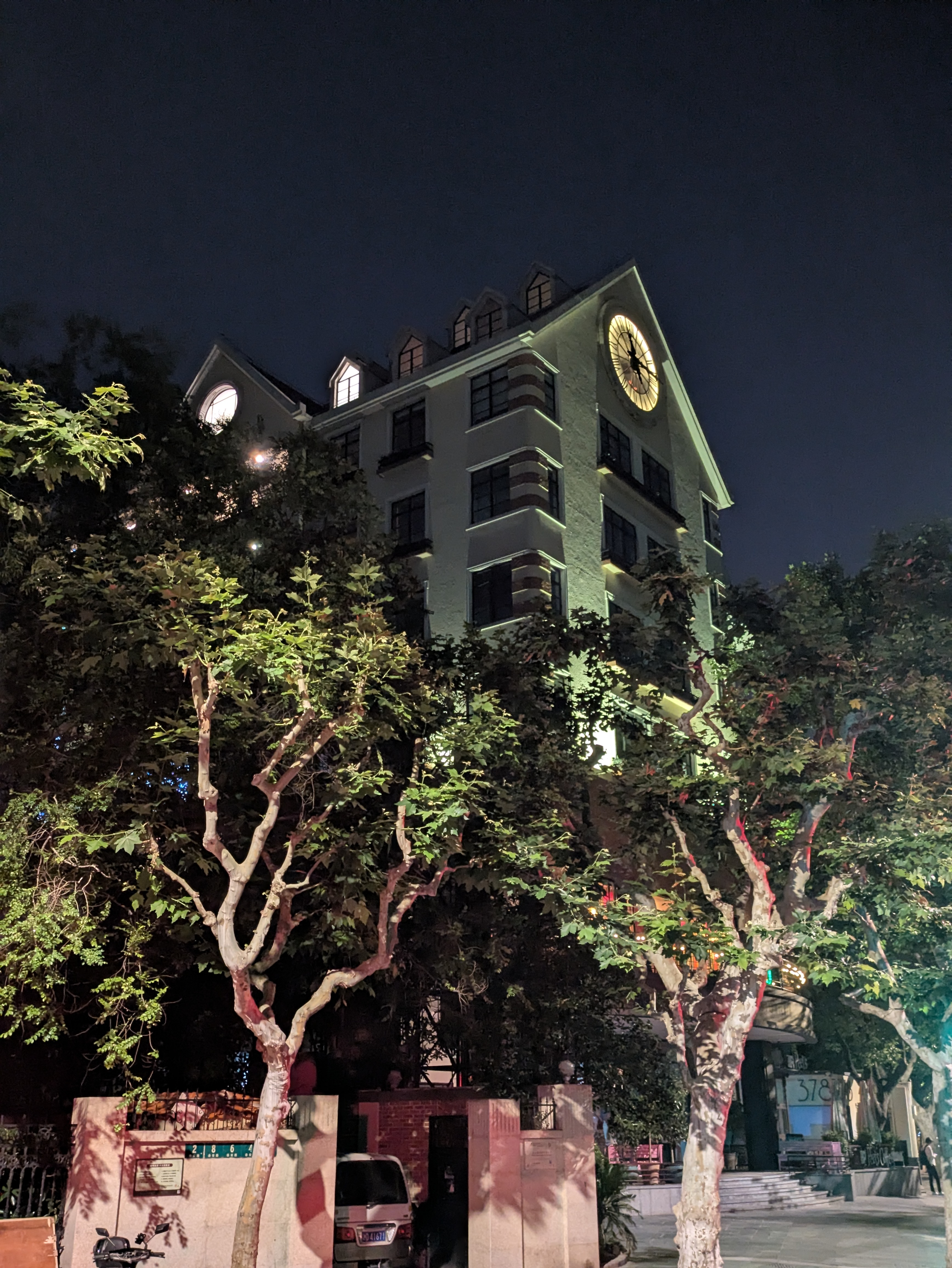
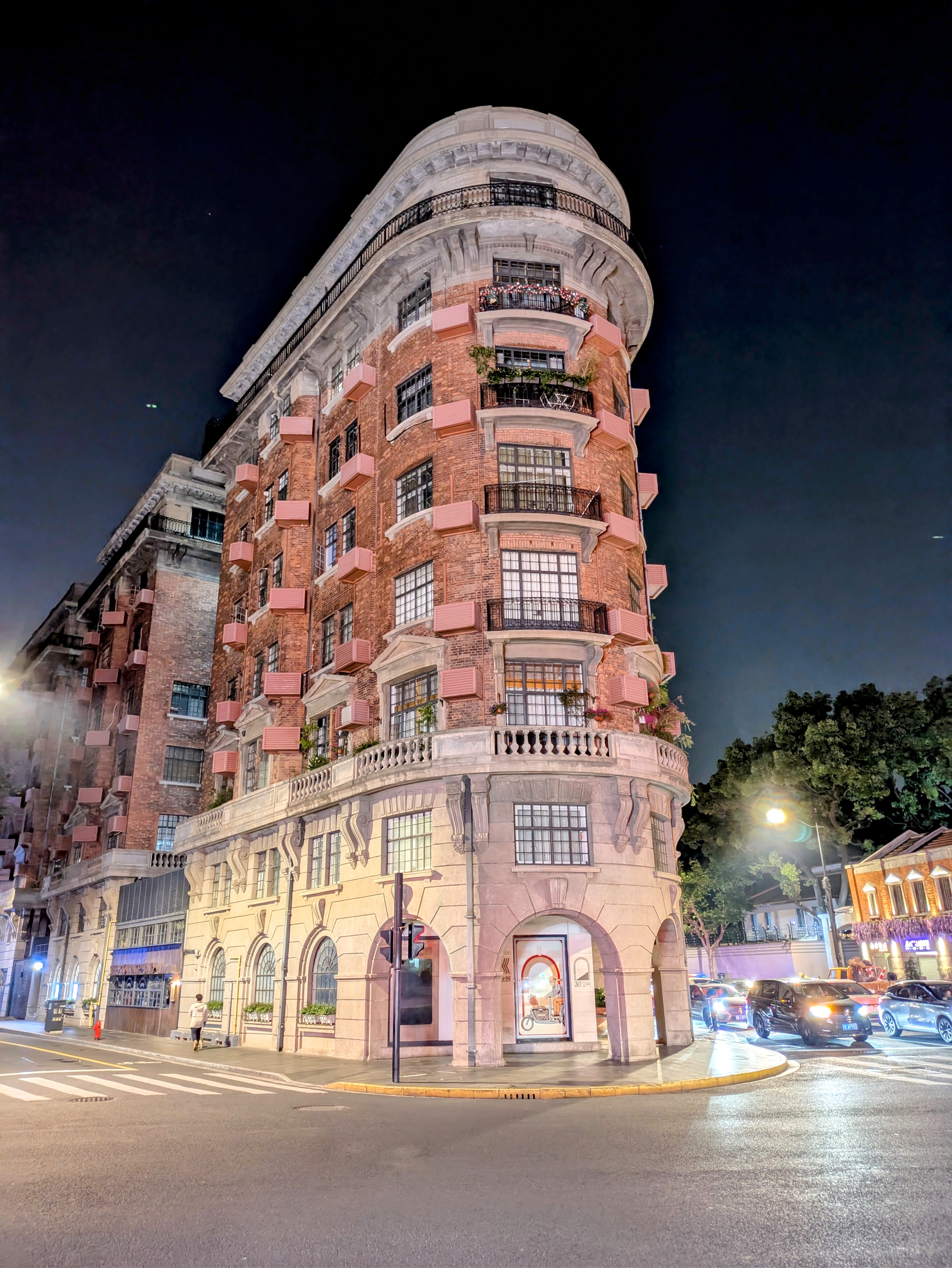
The Former French Concession is possibly the most charming historic district with beautiful tree-lined streets and stunning colonial architecture. The area gets its name as it was under French administration from 1849 until 1943, and today those preserved European-style buildings all full of modern cafes, boutiques, galleries, and restaurants. Two of the most popular areas are Fuxing Park where you can observe locals exercising or participating in games, and then the small narrow streets of Tianzifang lined with little shops. My favourite area in the FFC was Ferguson Lane which had little boutiques and flower shops by day, and rooftop wine bars at night. The FFC also features, the stunning Wukang Mansion, which was designed by László Hudec and completed in 1924. It reminded me of the Flatiron Building in New York. The FFC is also home to the Sinan Mansions, which is a garden-style building complex with 51 garden houses built in 1920 and showcases Republic of China-era architecture from the 1920s and have been split into 4 zones most of which are private. You can leave your bike on the road and explore some of the houses which are open to the public as restaurants.
1933 Millfun
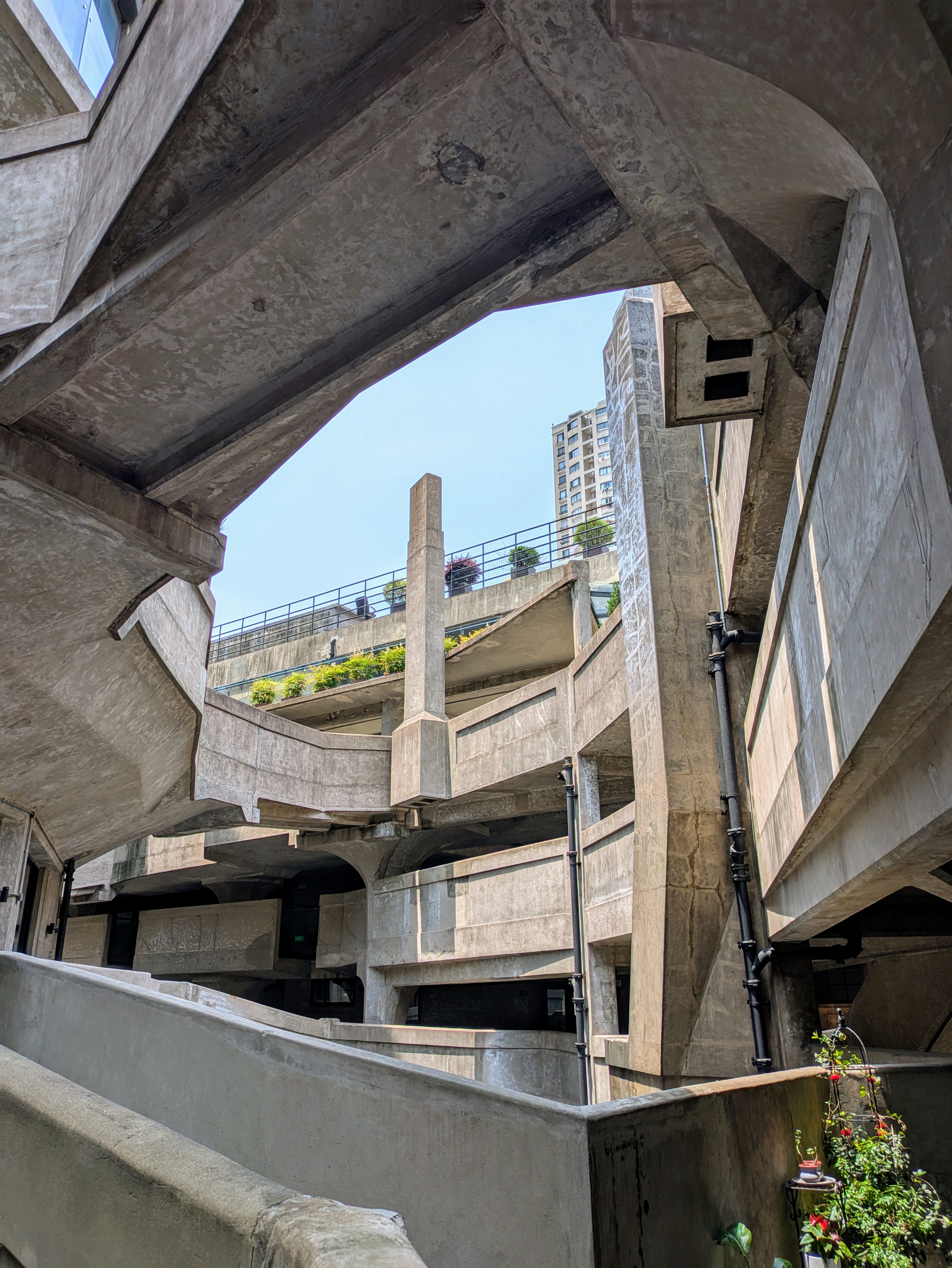
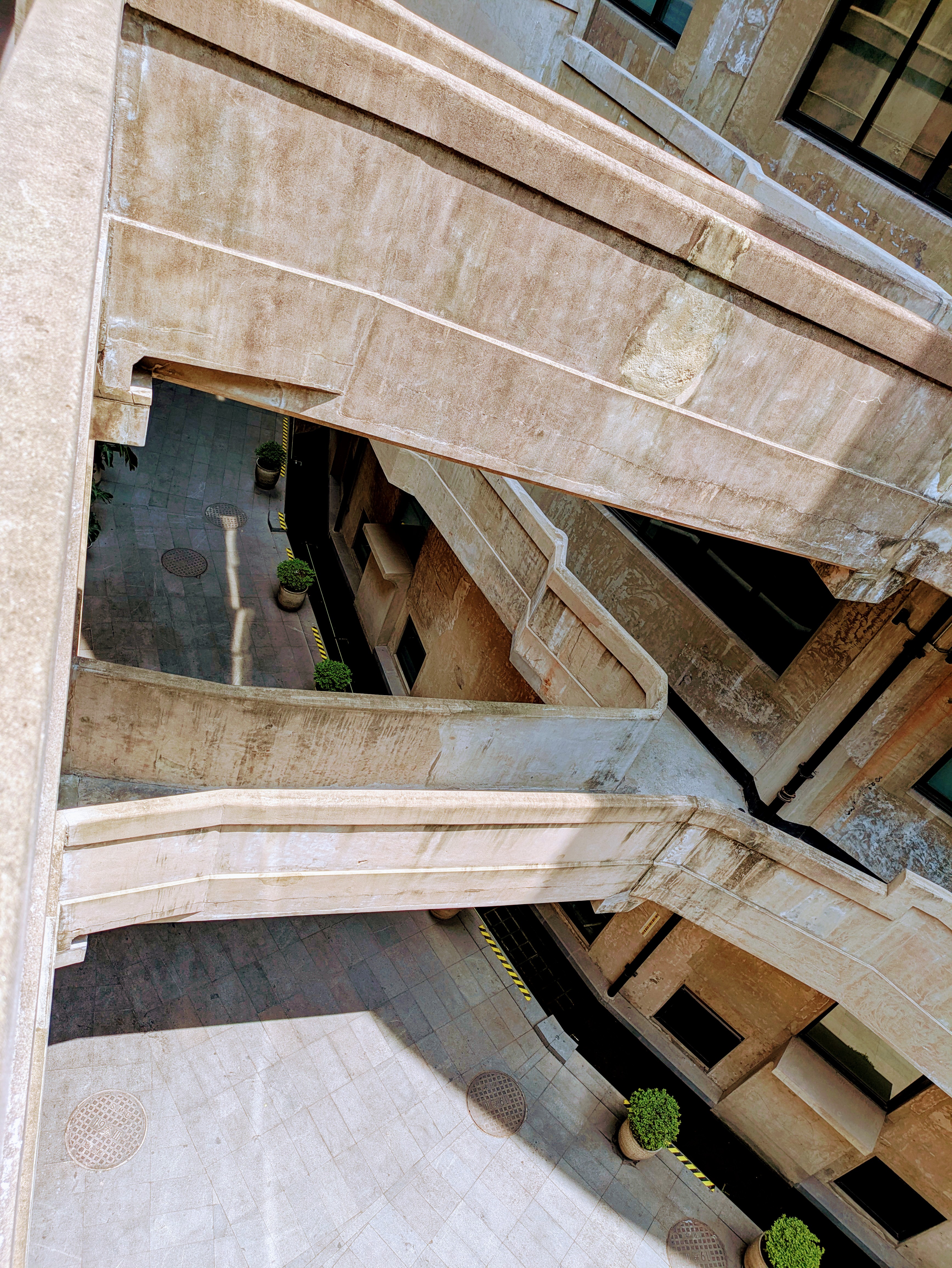
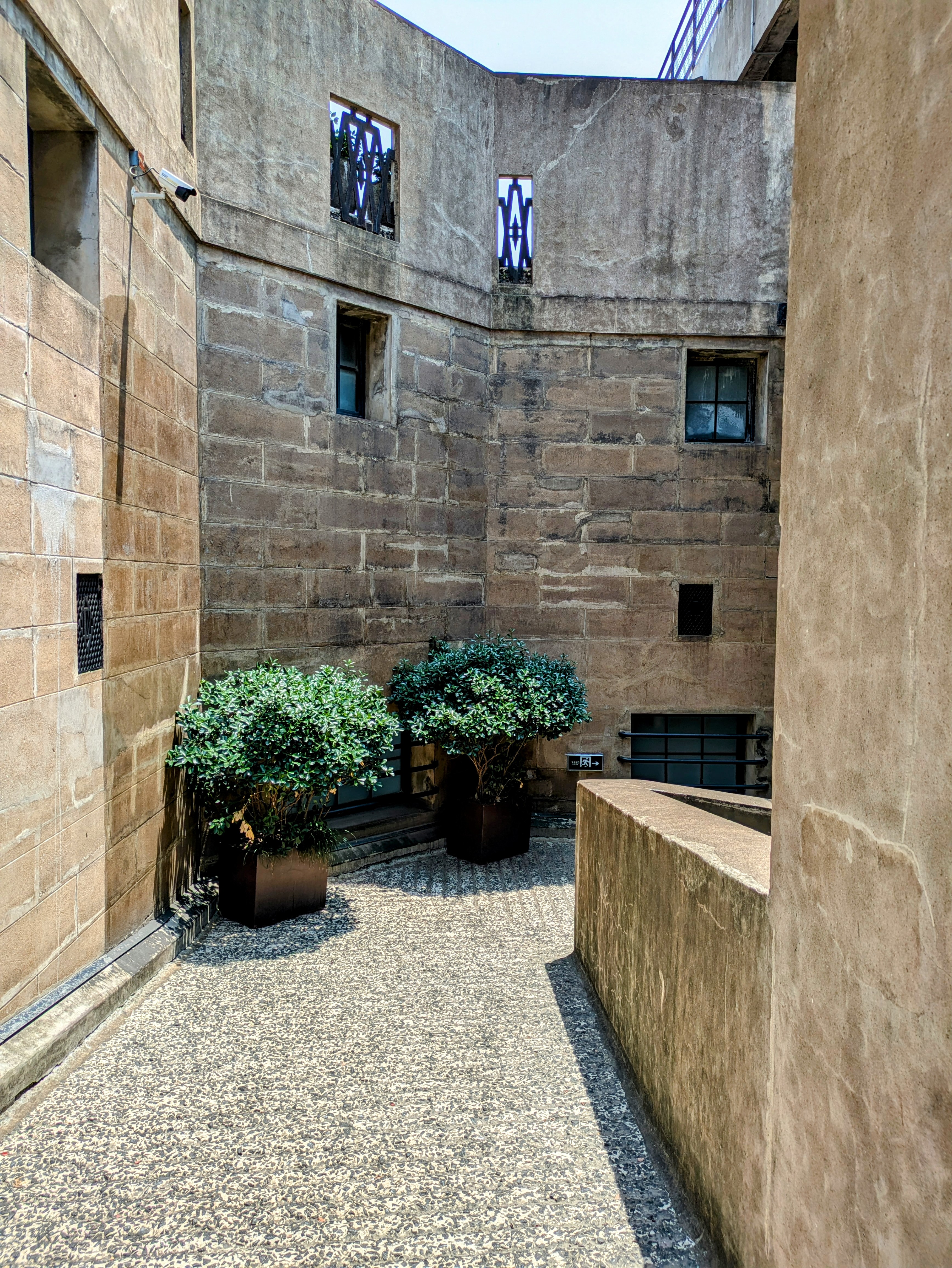
1933 Millfun is an Art Deco building north of the centre of Shanghai that was a slaughterhouse in the 1930’s but is now home to galleries and restaurants. When I arrived, it was very quite so I got to explore the space by myself and see the concrete spiral architecture with interlocking ramps and bridges. This was one of my favourite places to explore in Shanghai and was thankfully free from a lot of tourists.
M50
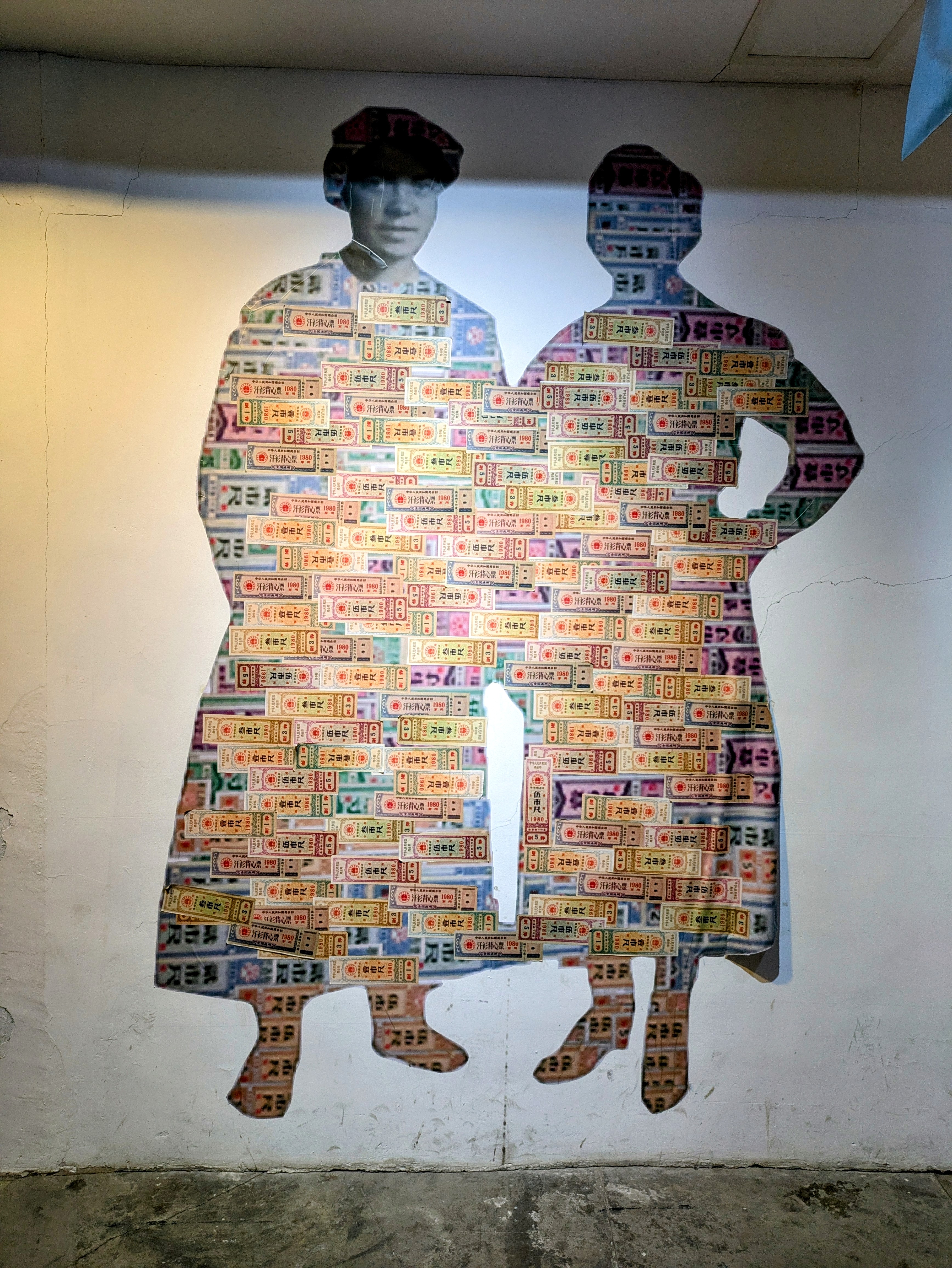
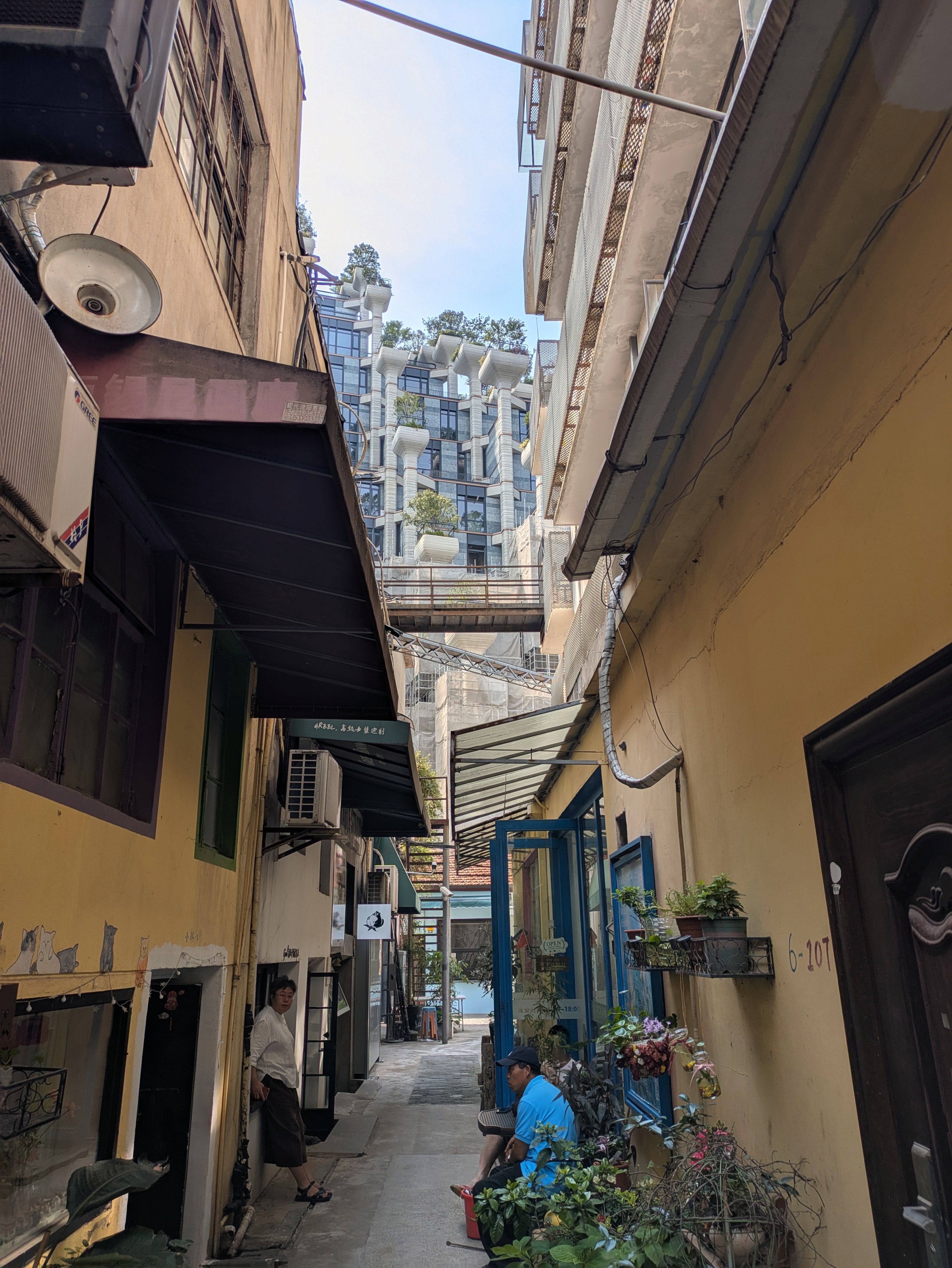
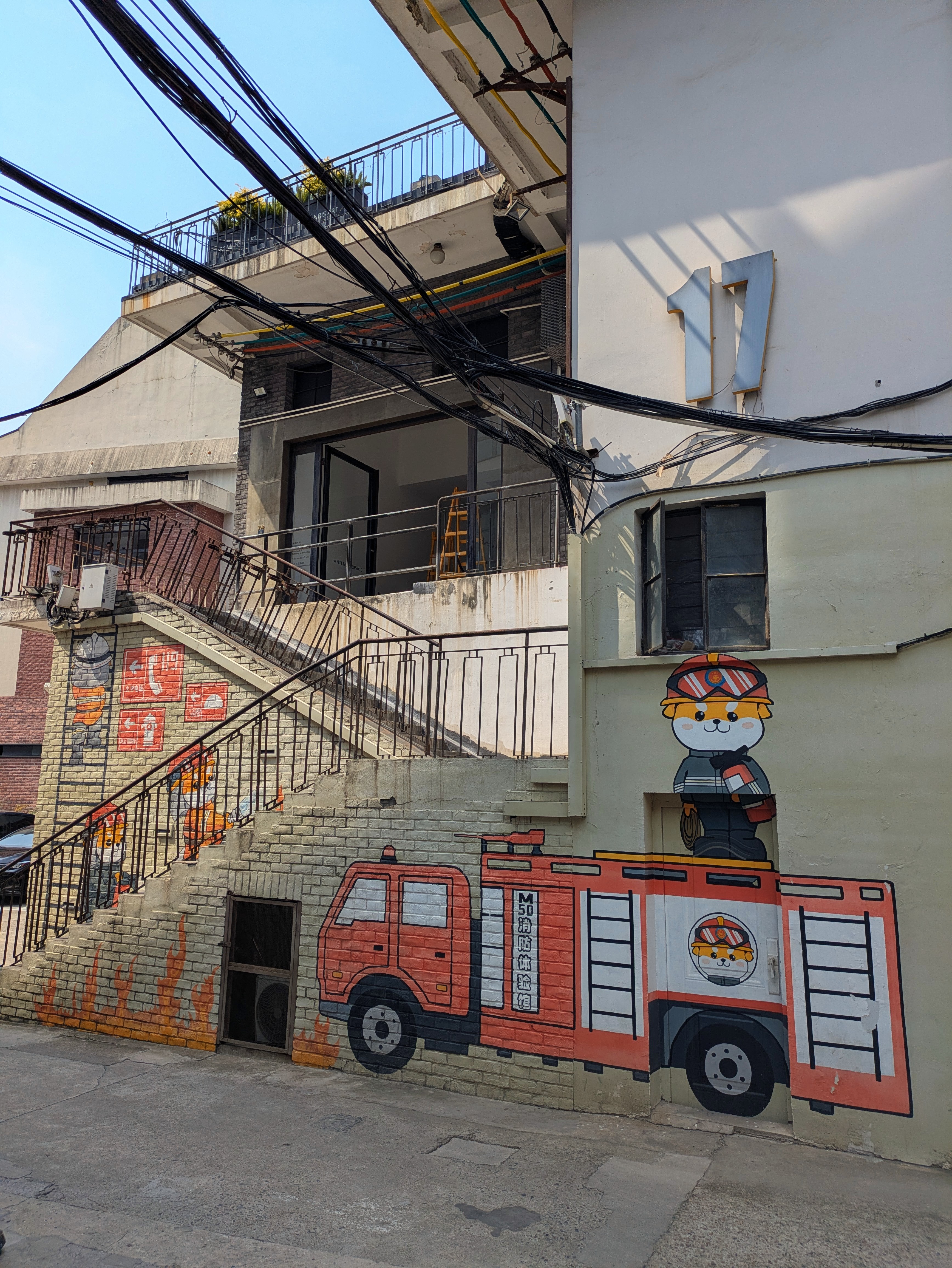
The M50 Art District was a pleasant discovery as its an art hub housed in a converted textile mill. As you stroll through the buildings you get to explore over 120 galleries and artist studios and chat with the designers. As soon as I arrived at M50, I spotted a little photo of a dog that said “follow me” so of course I did, and was led to a gallery where the artist makes magnets, posters, cards etc of the main Shanghai sights but with her dog included in the art (I bought quite a lot here!). As you wander through the small alleys full of galleries, when you look up you can see the 1,000 Trees building, which is a commercial building with columns that are topped off with trees and hanging plants. There is also a great cafe in here hidden in one of the galleries, which we didn’t get to find – however we did find a little Macaron shop where I got to try a pistachio and wasabi macaron.
Jing’An
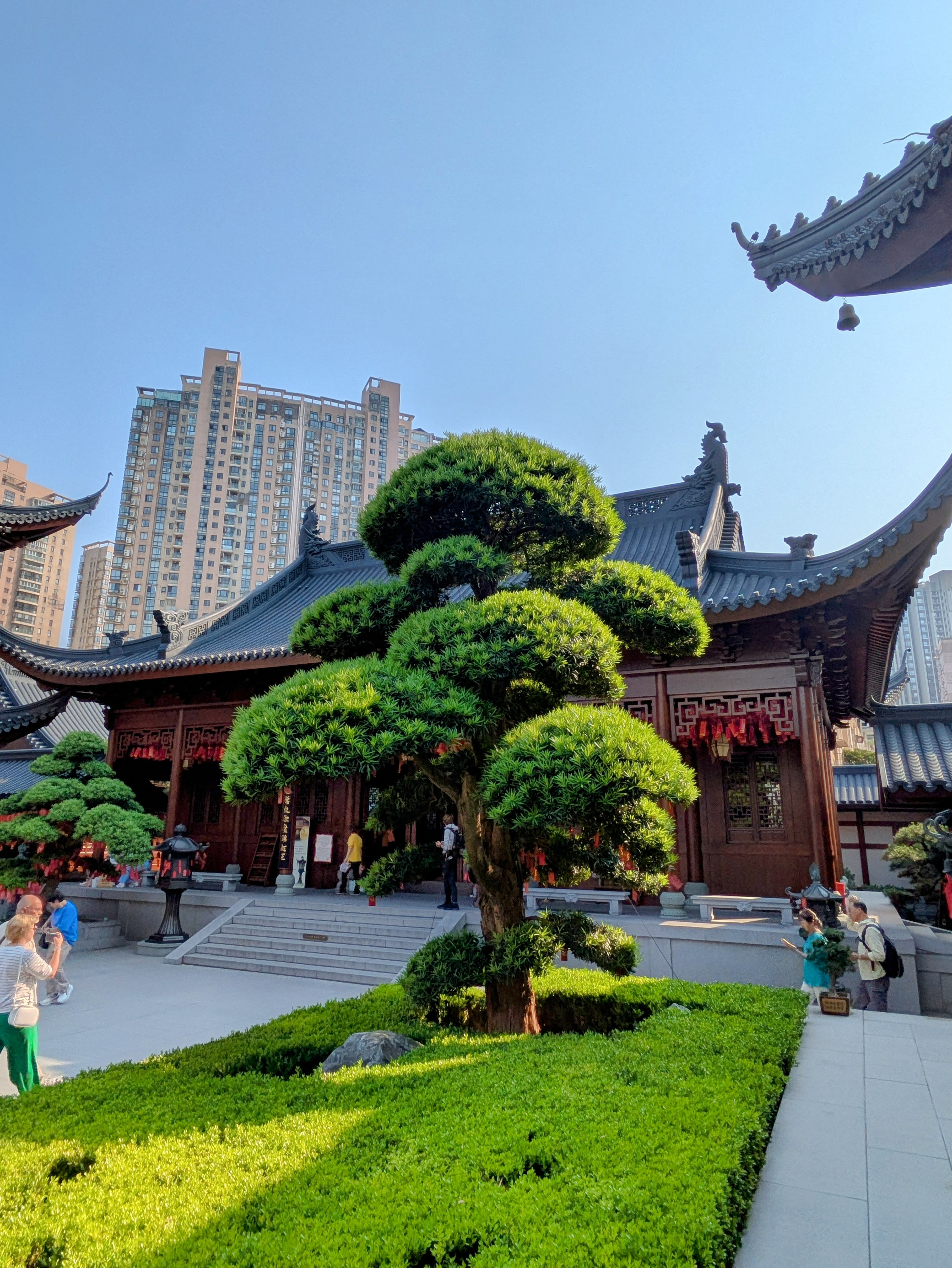

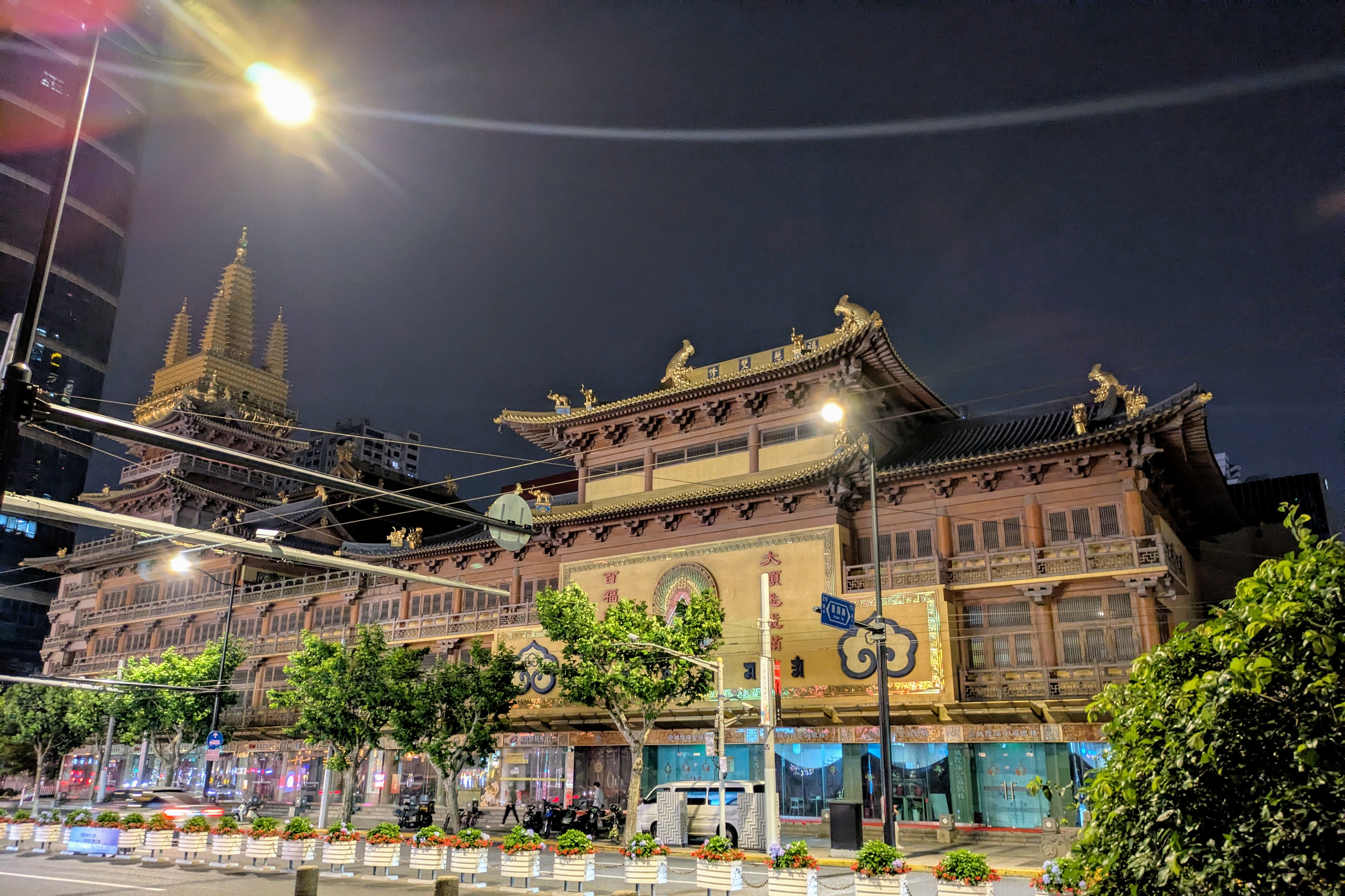
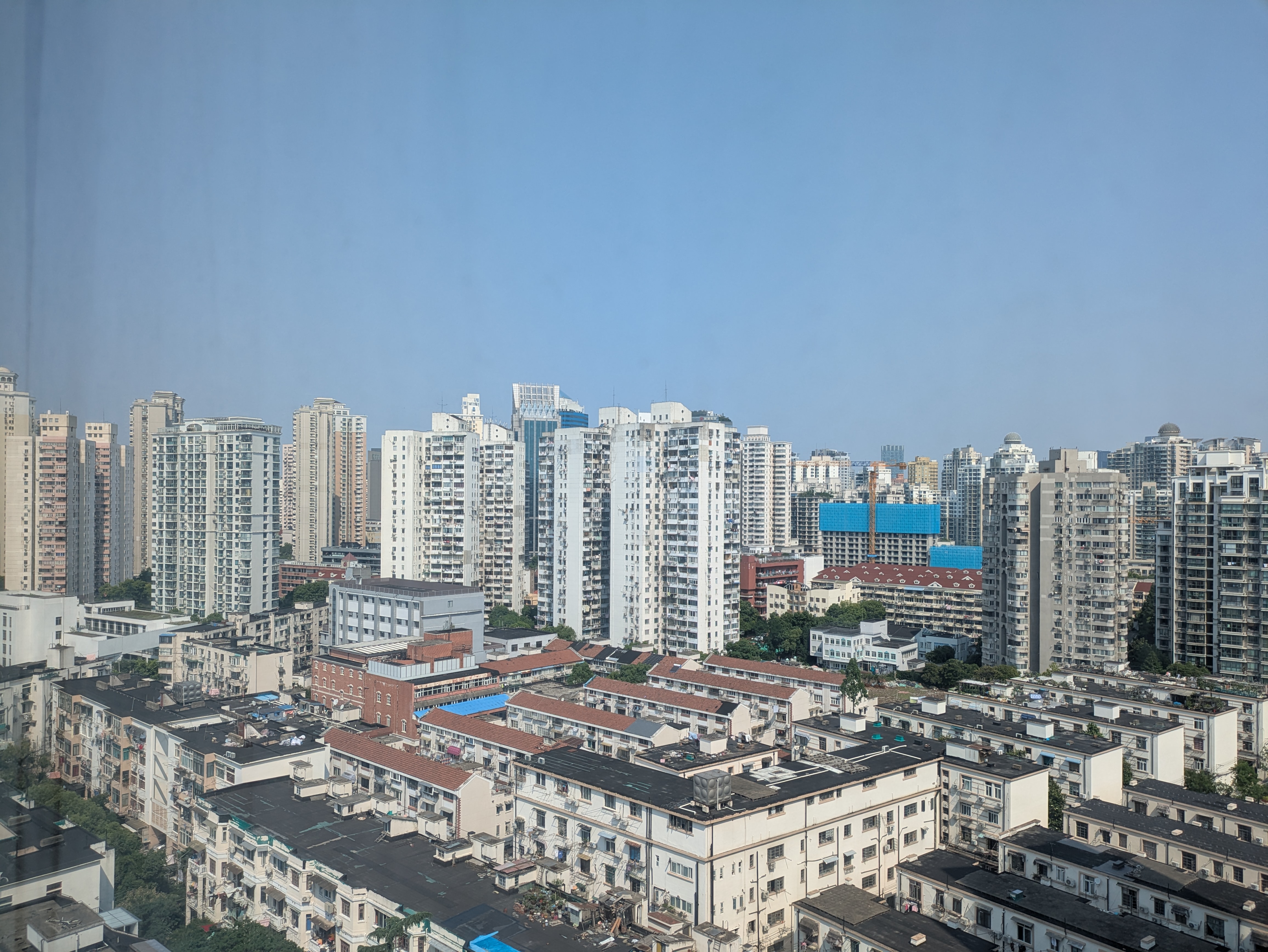
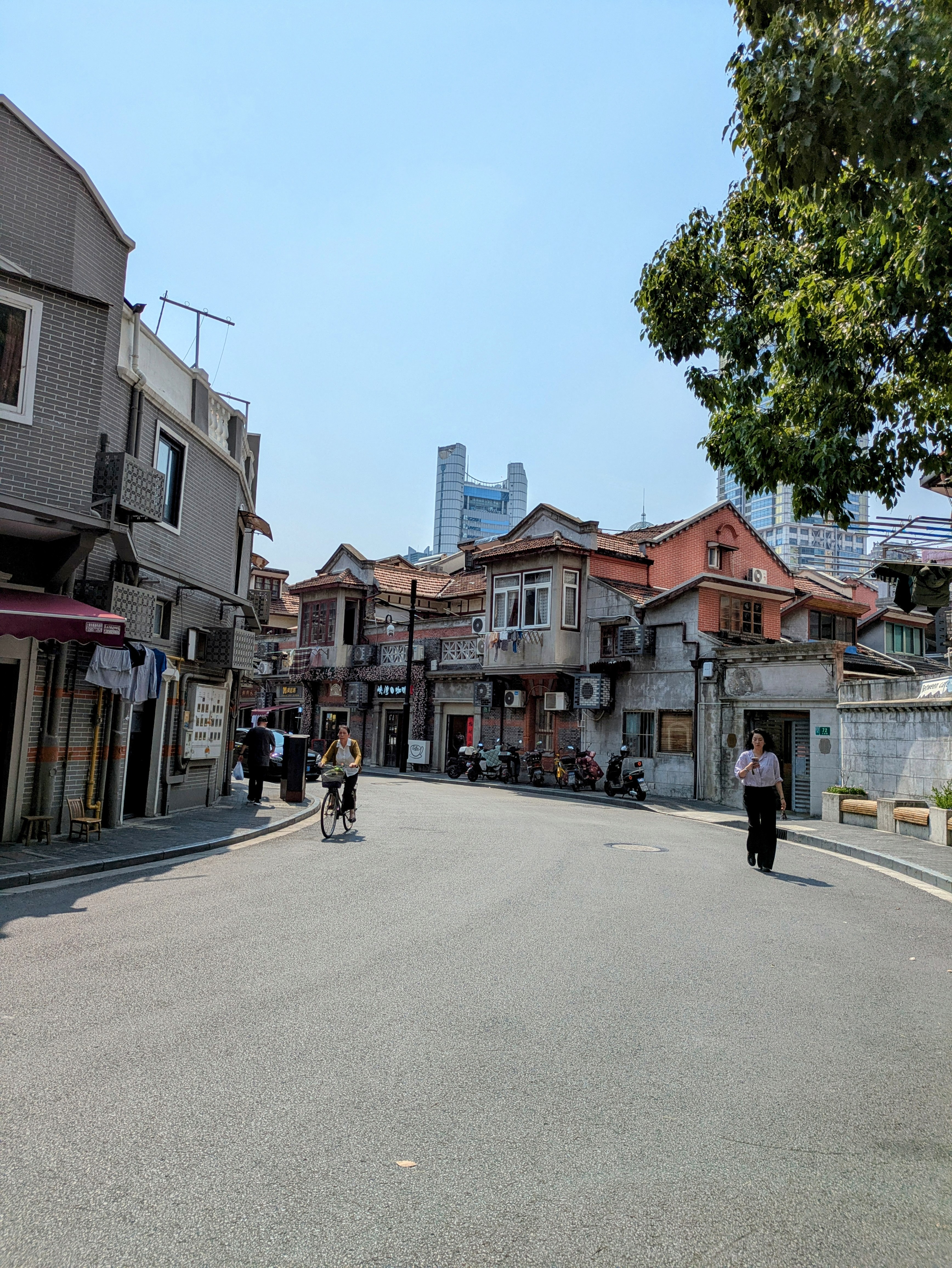
My hotel was located in the Jing’An district and I was delighted with how central it was (without being surrounded by tourists). The area features some great attractions such as the Jing’An Temple, Jing’An Park, Jade Buddah Temple and some great streets to explore. There are also some amazing restaurants and bars – you could easily spend all your time in Shanghai in Jing’An and be happy.
The Bund
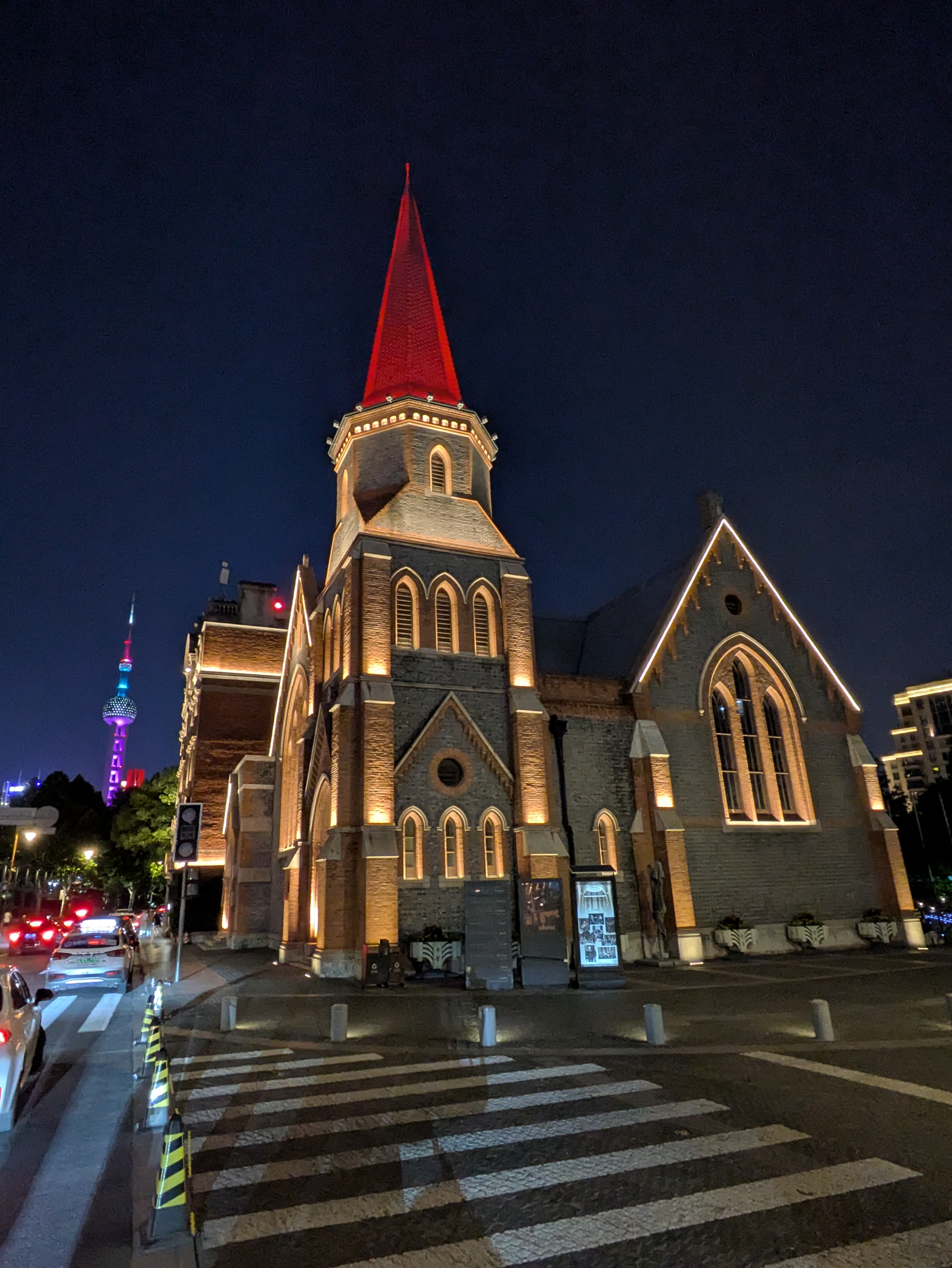
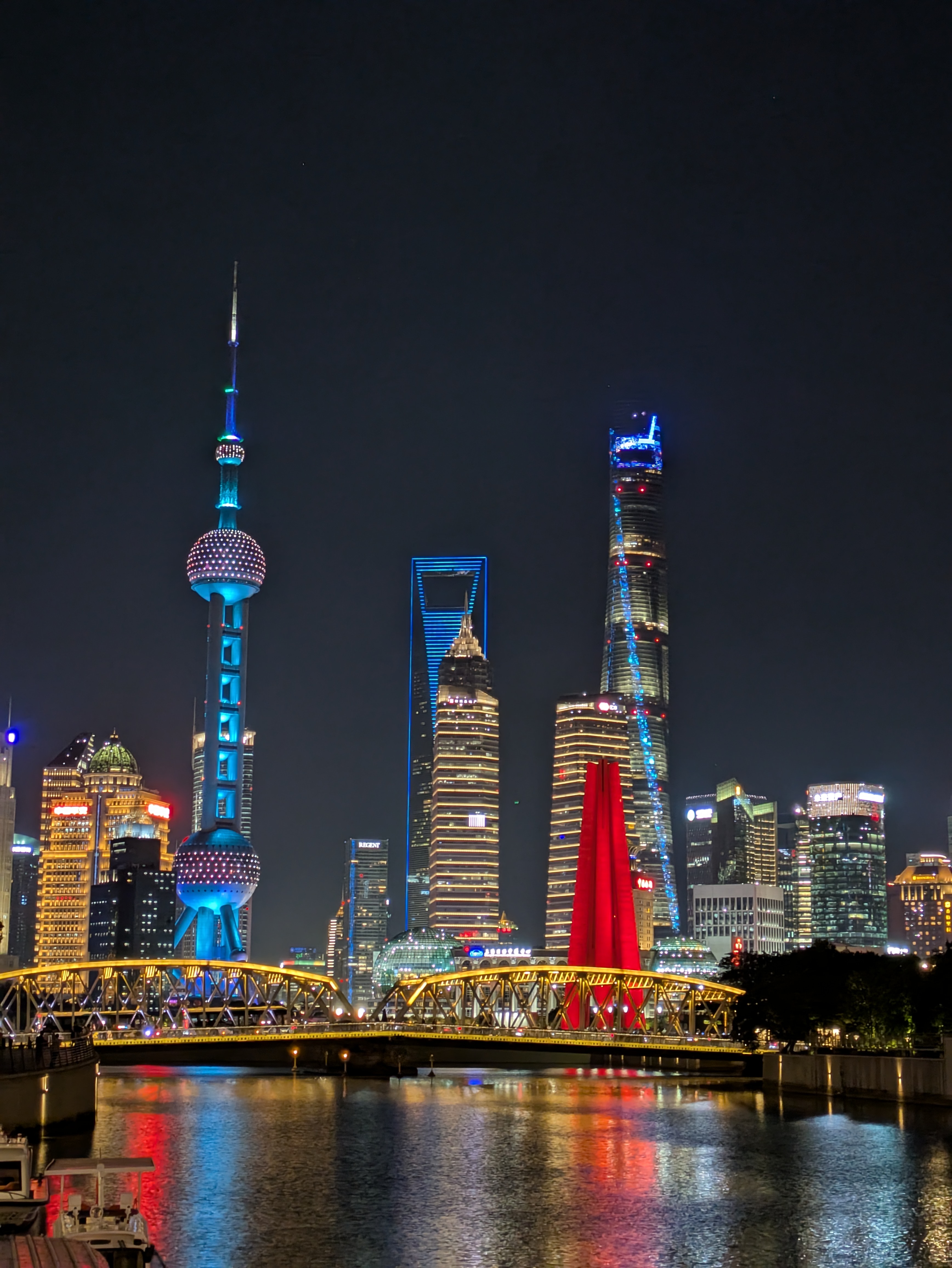
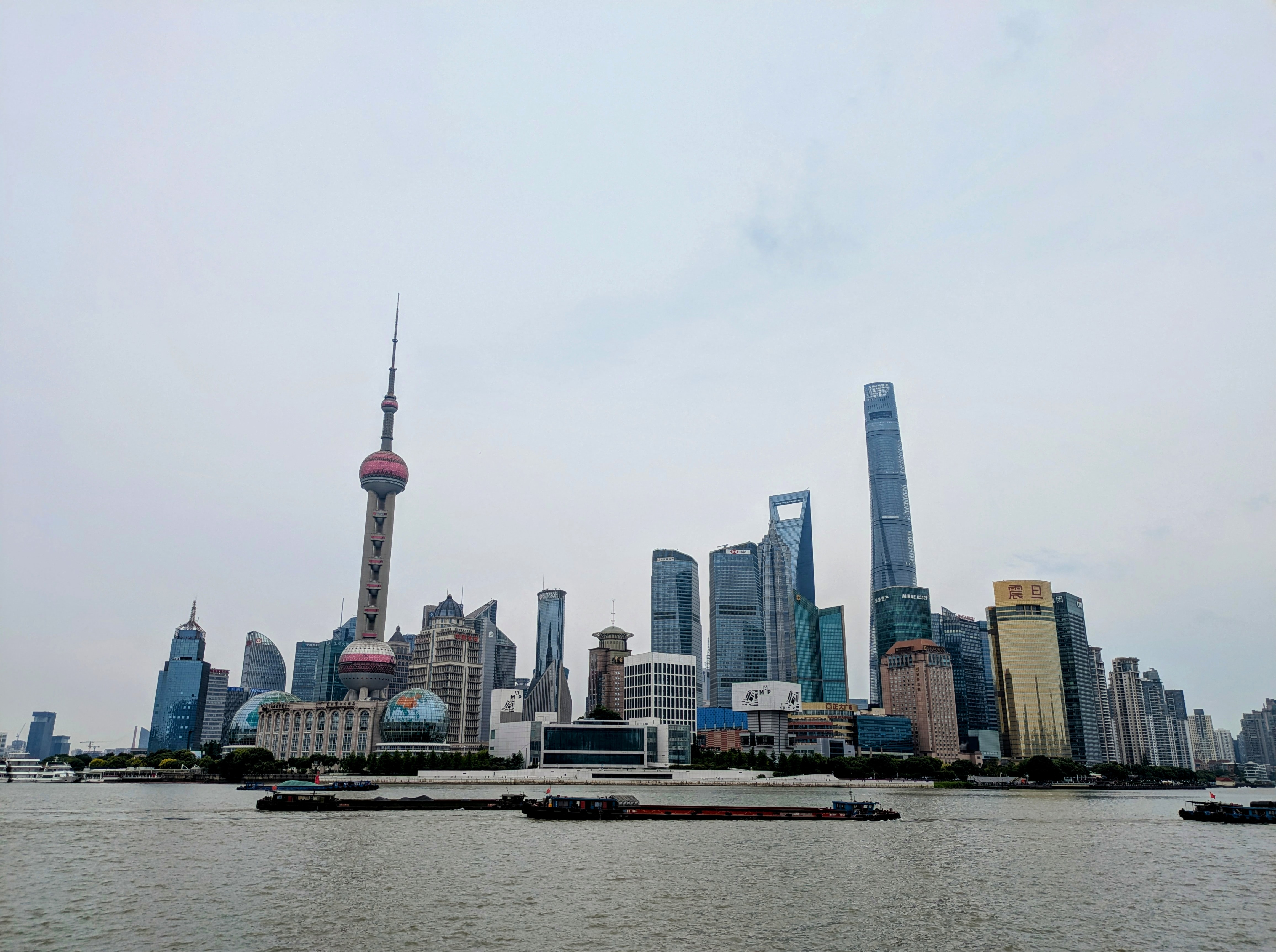
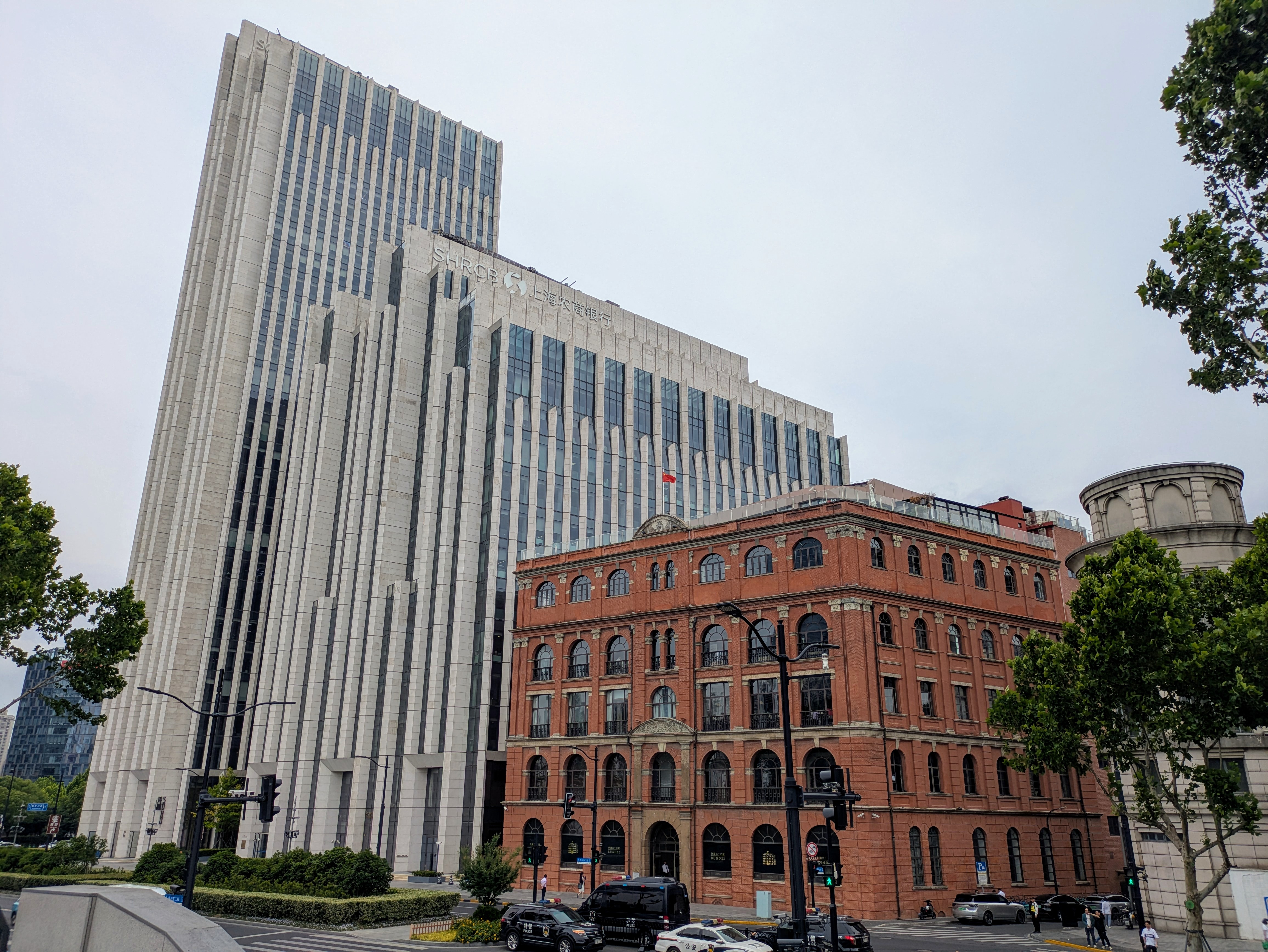
The most notable thing about Shanghai is its sky line and the buildings that make up The Bund, it features 52 historic buildings in Gothic, Baroque, and Renaissance styles that reflect Shanghai’s colonial trading past. The waterfront promenade has amazing views of Pudong’s skyline across the river, during the day it’s quite cloudy so the photos don’t do it justive, but at night there are stunning evening light displays from May to October that end about 10 or 11 at night. Given Shanghai’s history, The Bund really symbolizes the city’s transformation and brings together colonial European architecture and modern skyscrapers.
Shanghai Fazang Jiangsi
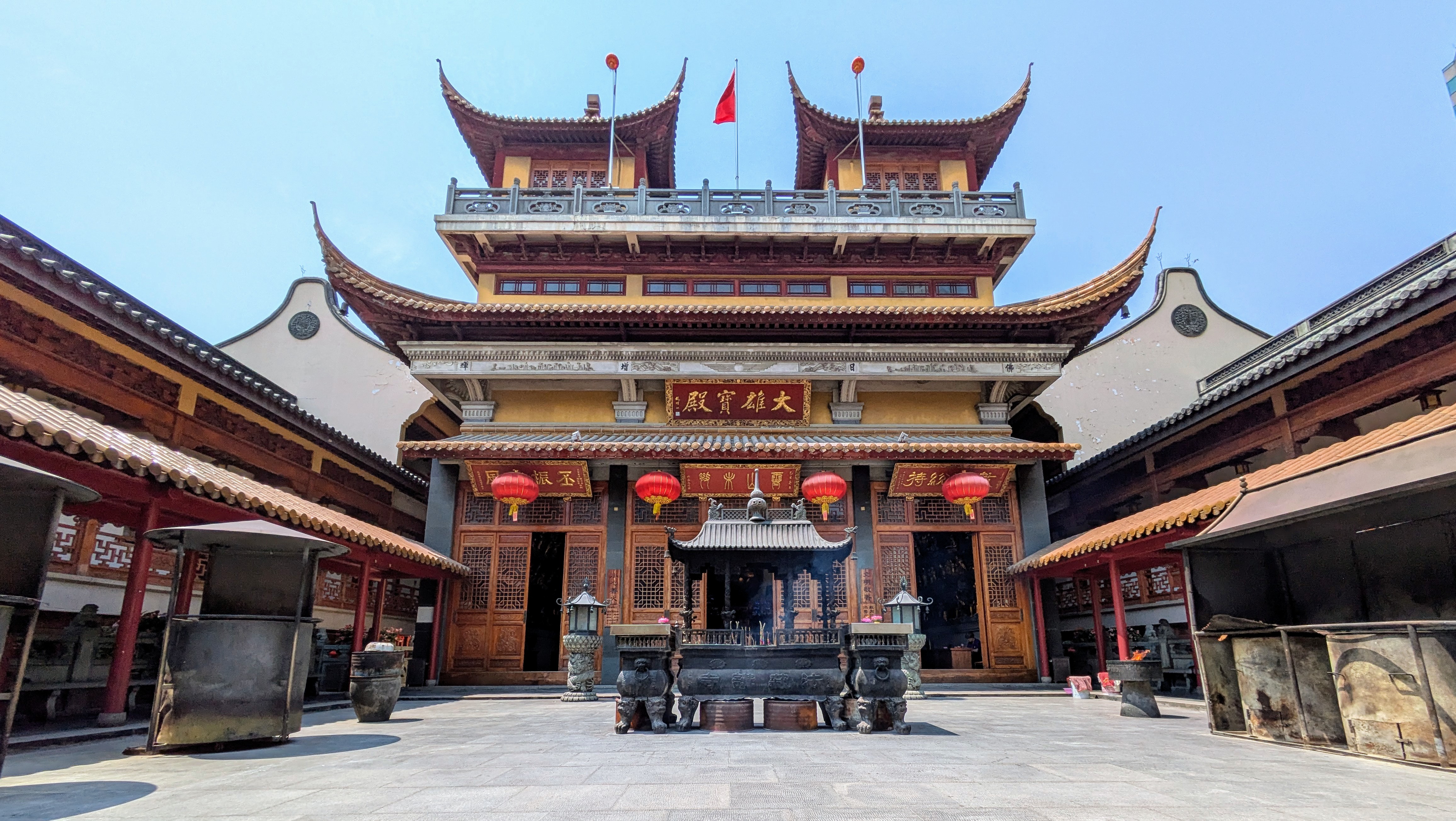
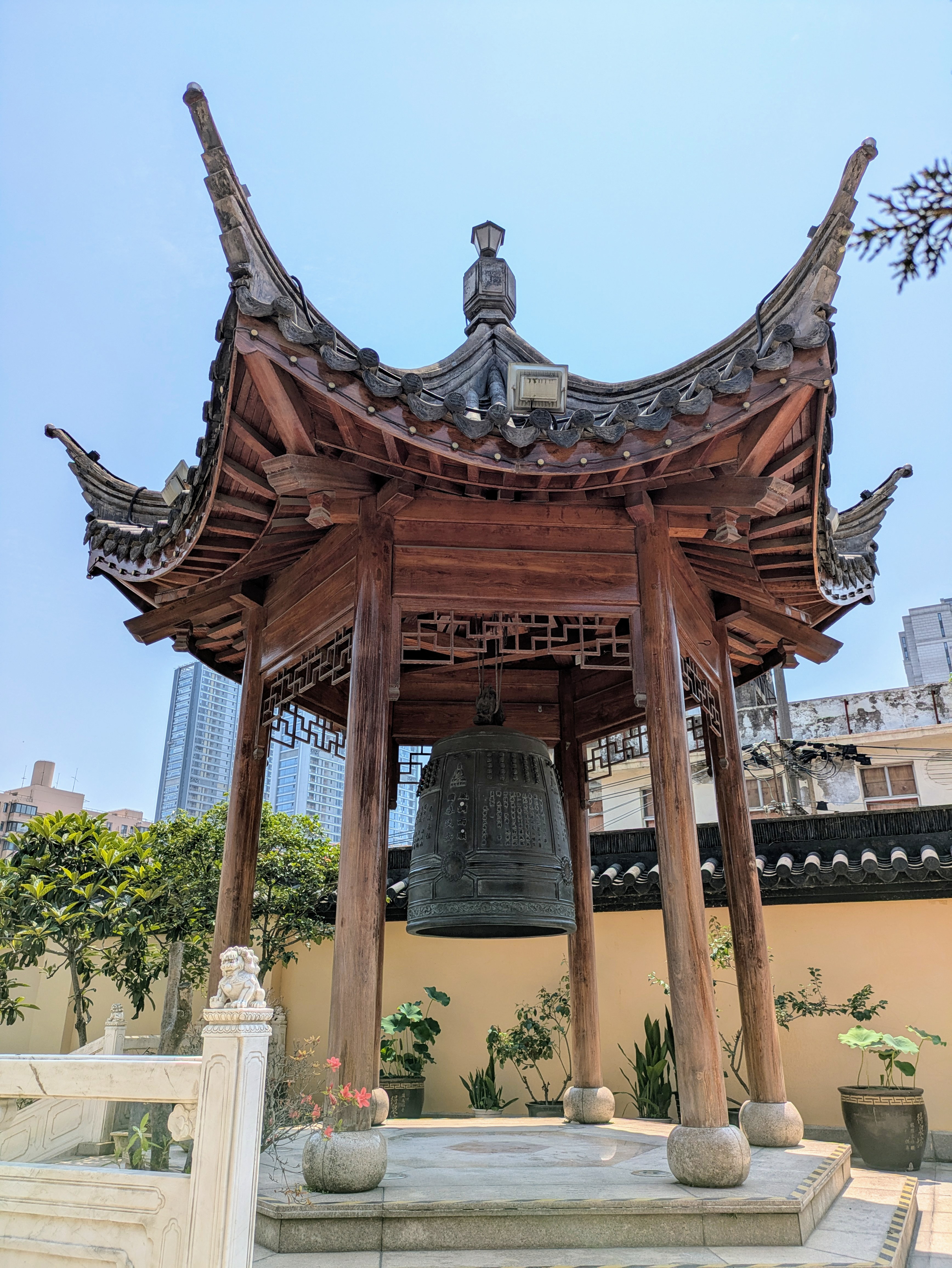

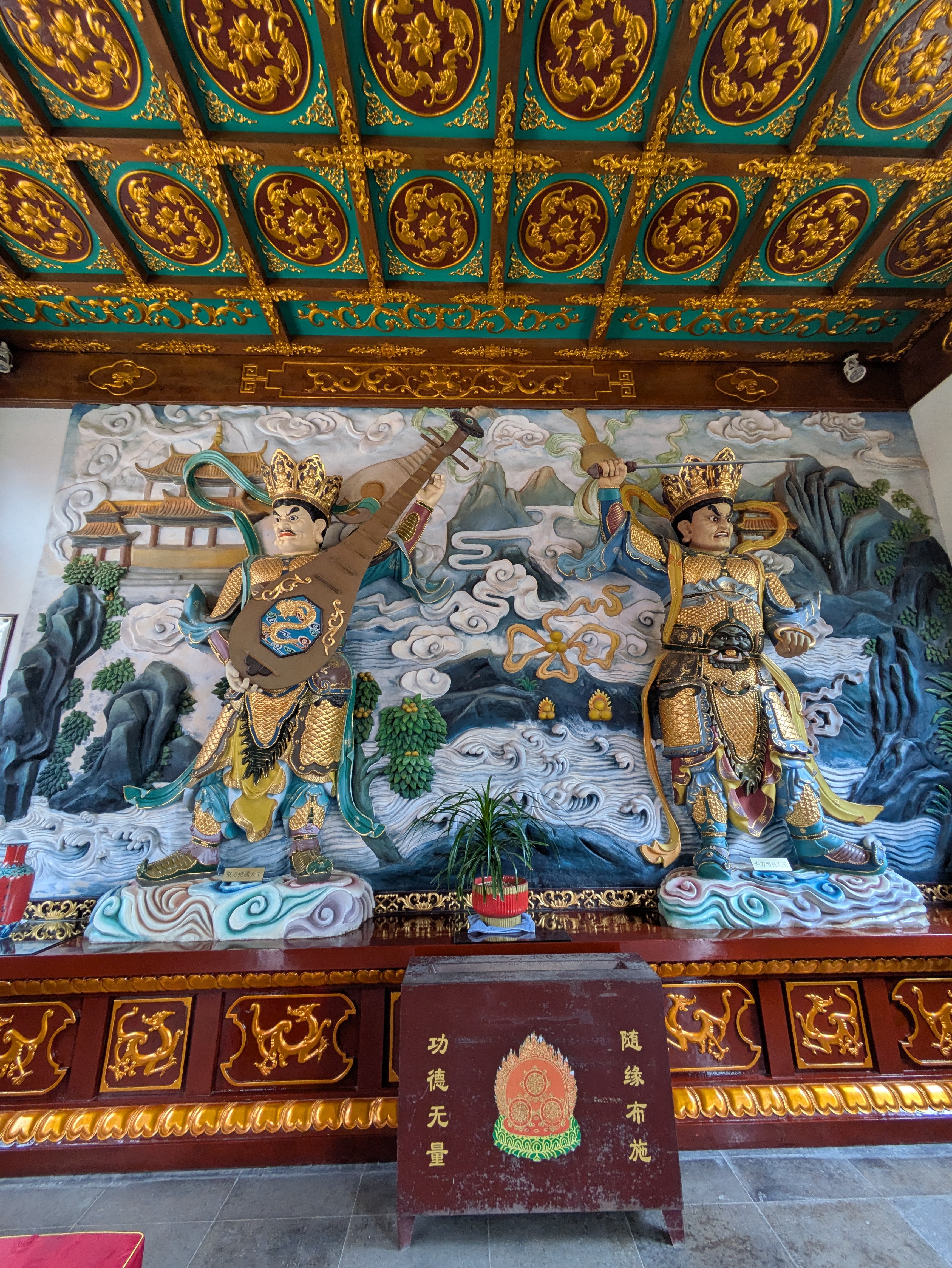
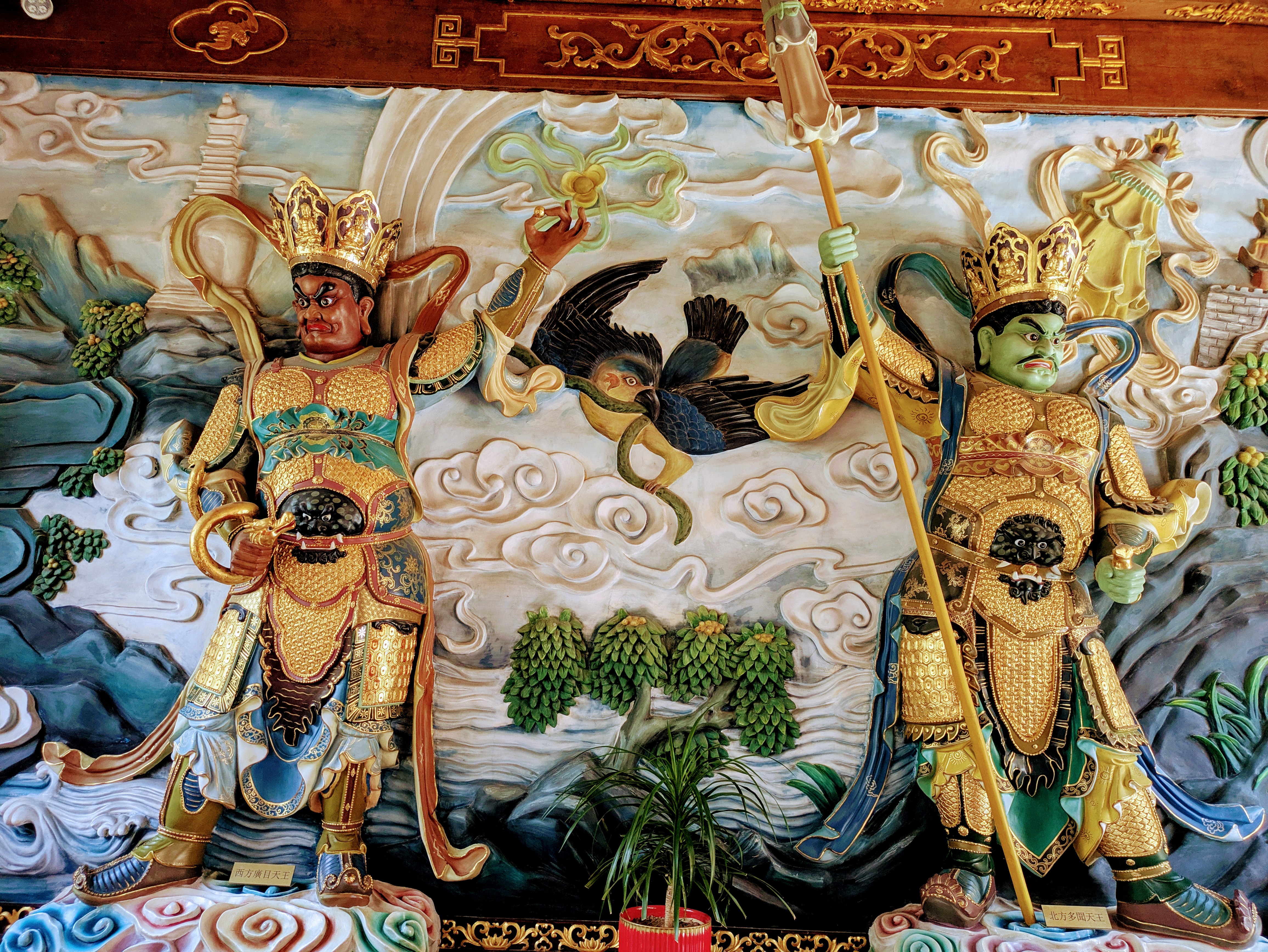
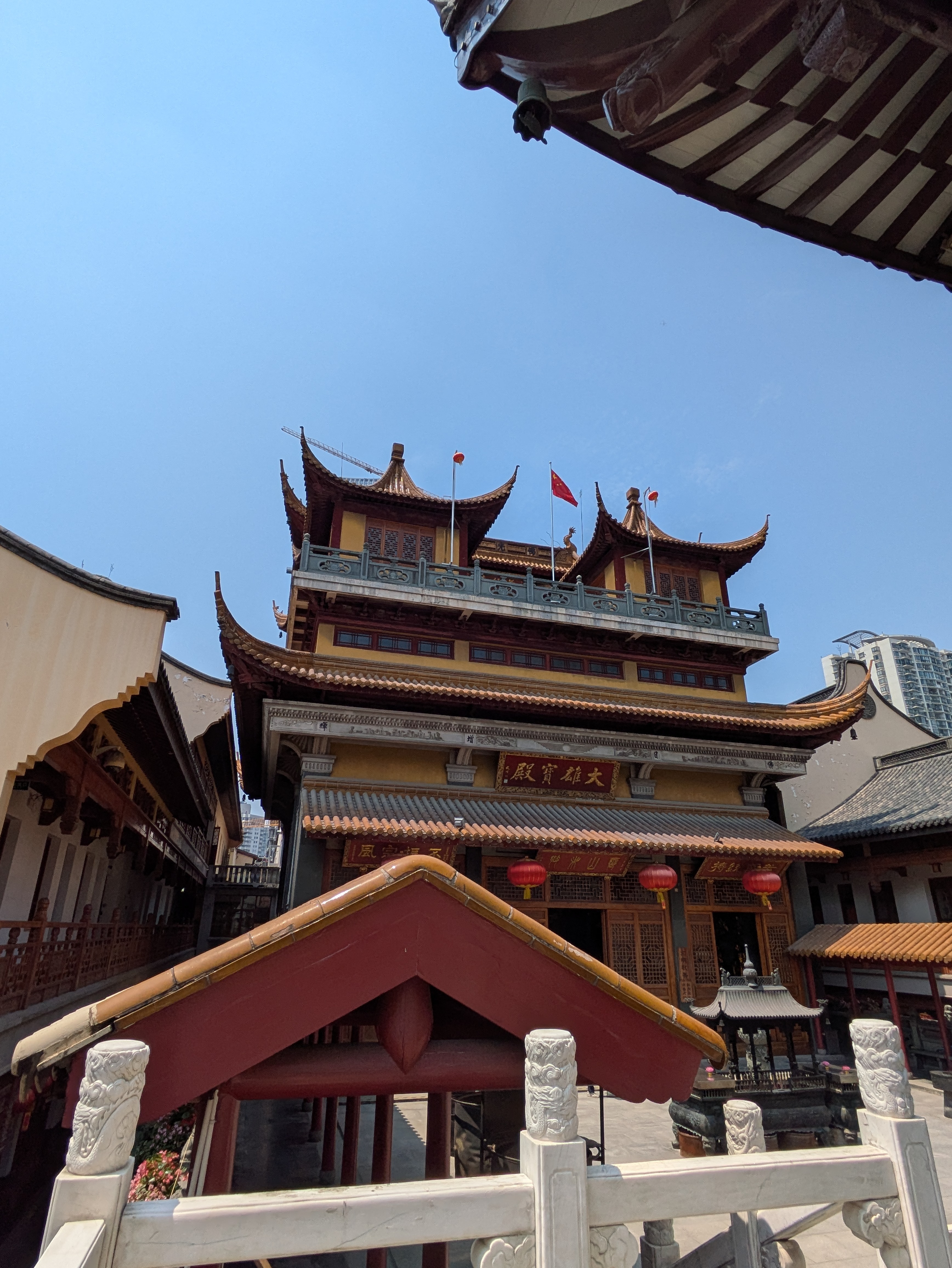
This was one of my last stops on my Monday cycle around Shanghai, and it was quite hard to find due to the building works happening all around it. The map said I had reached my location, but it was no where to be found. I saw a large wooden door with some delivery drivers going through them so decided to follow. I walked around the court yard at the ground level and came to a set of stairs that led up to the temple. This temple is one of Shanghai’s four most prominent Buddhist temples, but is the only Buddhist monastery in Shanghai practicing Tendai Hokke, an early Zen sect founded in China and widely practiced in Japan since the 9th century. It’s very much a hidden gem in Shanghai, which was a nice surprise as apart from the monks, I was the only one there.
Urban Planning Centre
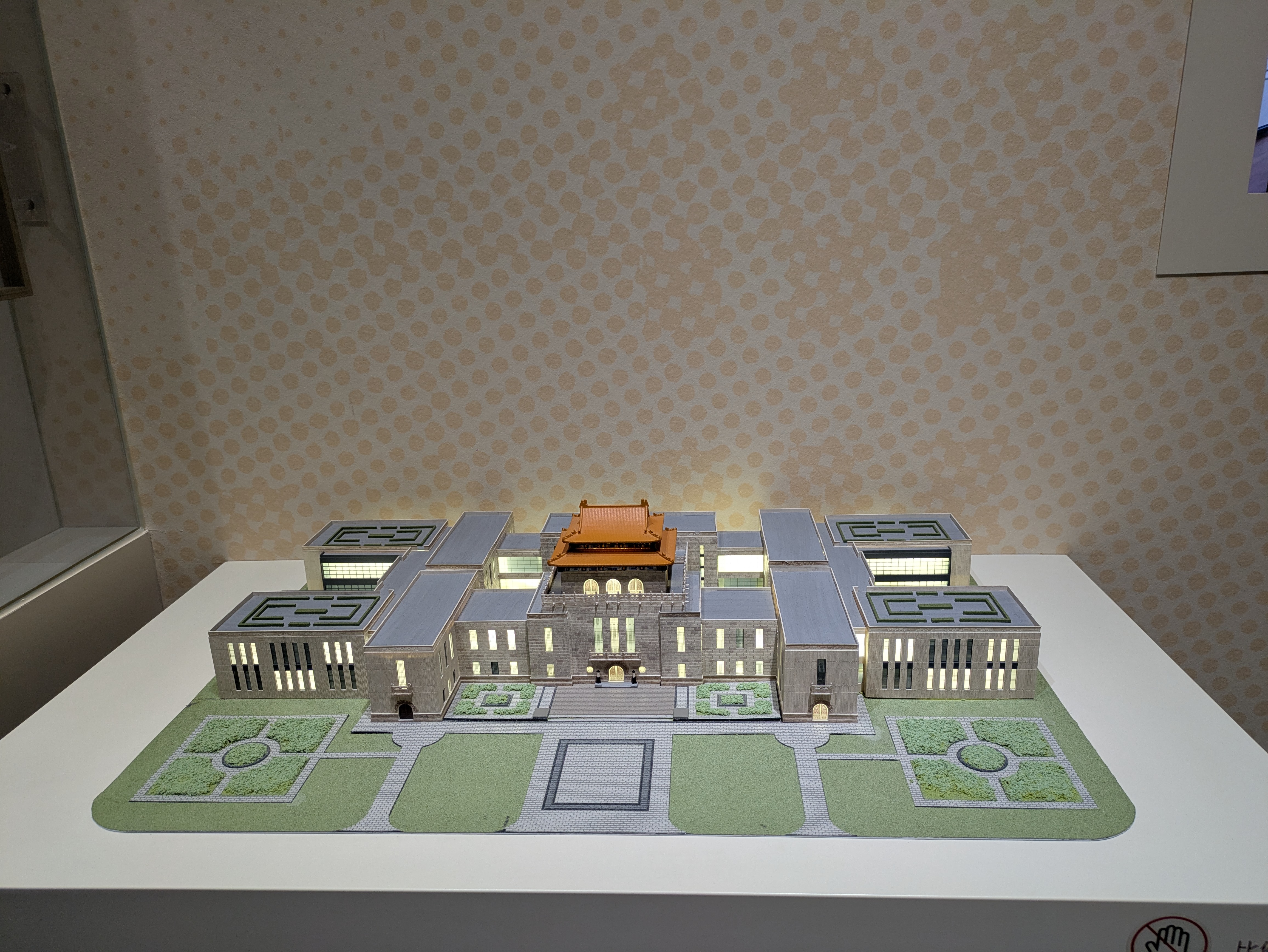
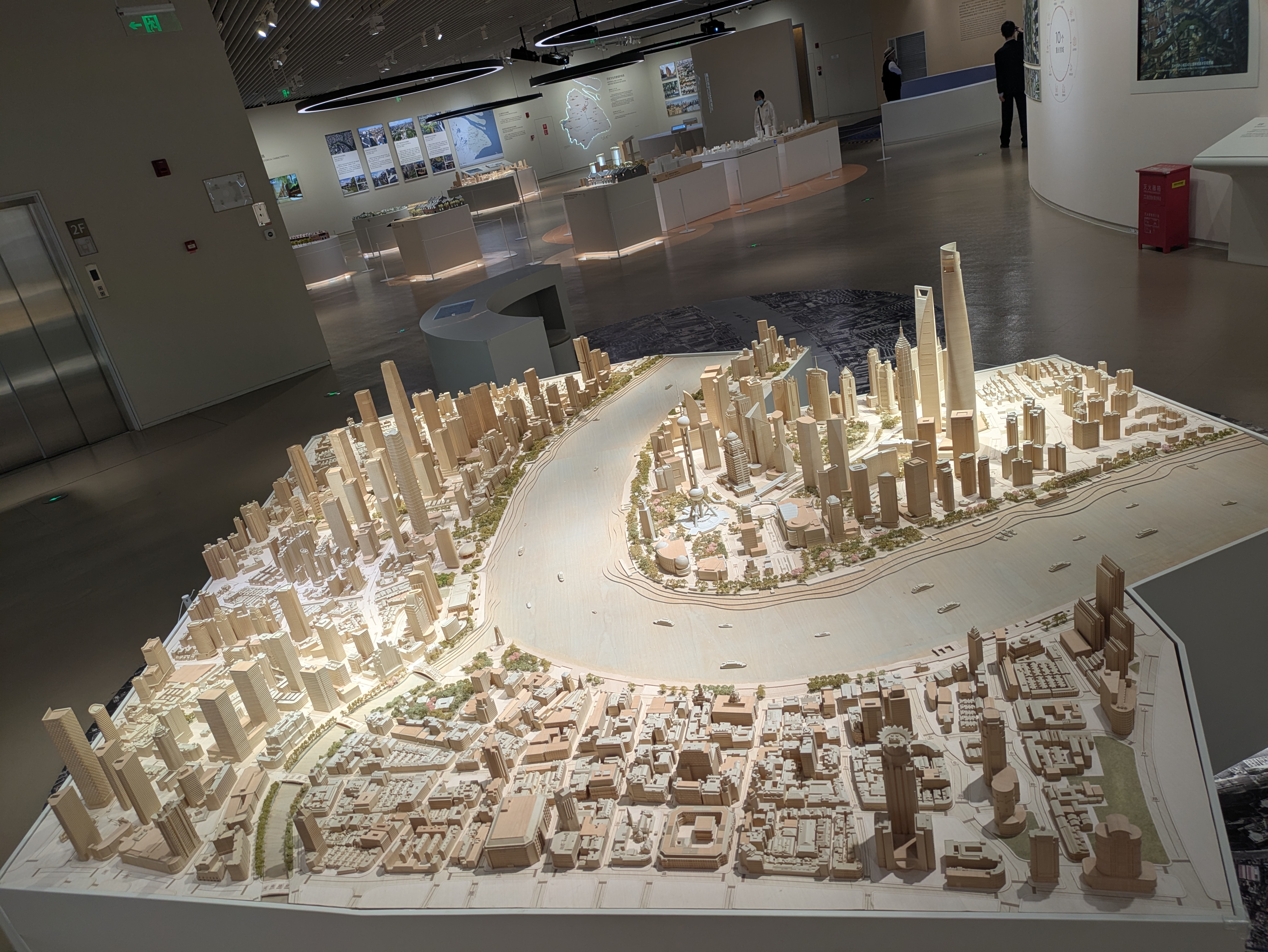
The Shanghai Urban Planning Exhibition Center was recommended a couple of times to me and it did not disappoint. It’s the world’s largest urban planning museum and is located in the People’s Square, so you can take in the park and the centre in one trip. The centre showcases the transformation of Shanghai’s from a small fishing village to the megacity it is today through interactive displays and the massive scale model of the entire city showing existing and planned future buildings. There are five levels, each with their own comprehensive theme of the development of Shanghai and plans for the future of the city. It was one of the most fascinating places I’ve been to, and should have spent longer here exploring each of the exhibitions.
Nanjing Road and Yu Gardens
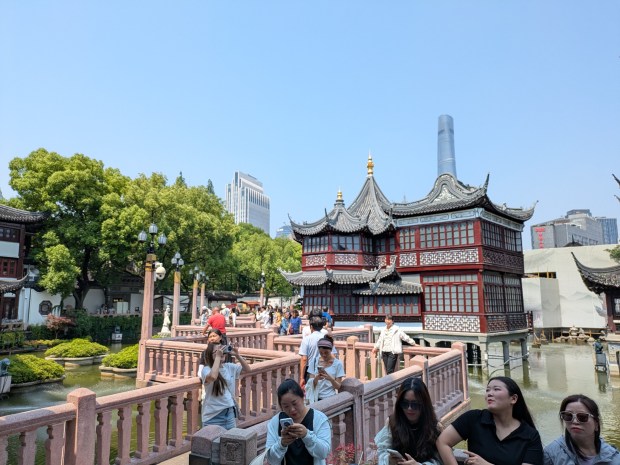
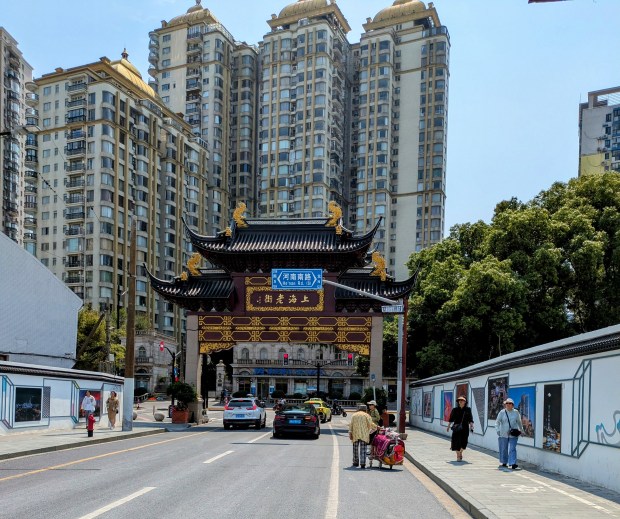
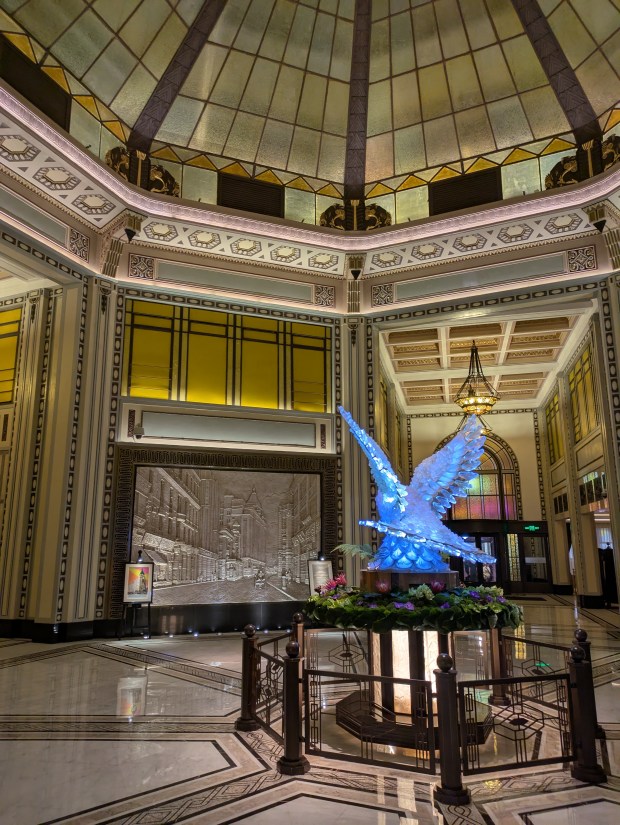
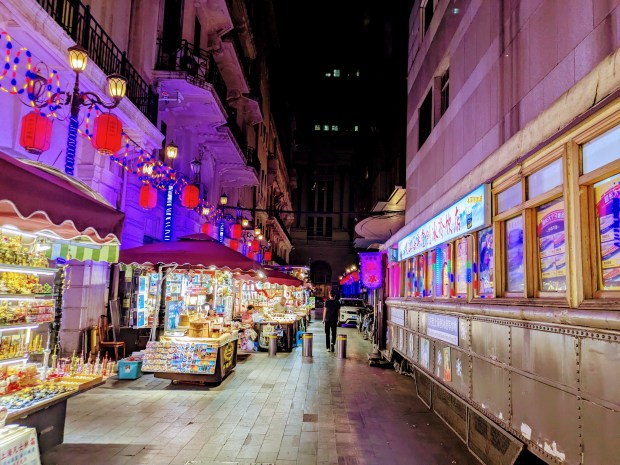
I’m putting these together, because when you look up the top things to see in Shanghai, both are listed. I wasn’t a fan of either, as they were exceptionally busy and just full of tourists. Nanjing road was a nice wide shopping street, which you could take from the People’s Park to the Bund, it was nicer to walk here at night when all the buildings were lit up. We did visit the Peace Hotel at night to see the famous, Old Jazz Band, but it was mainly reserved for tourists with a limited spend at the bar for you to enter – a very expensive tourist trap!
Yu Gardens, is close to the Shanghai Old Town, which pretty much doesn’t exist any more as it was all torn down for more modern sky rises. The gardens are meant to be amazing, but it was too crowded with domestic tourists and food stalls that it was too much for me, so I left.
Starbucks Reserve
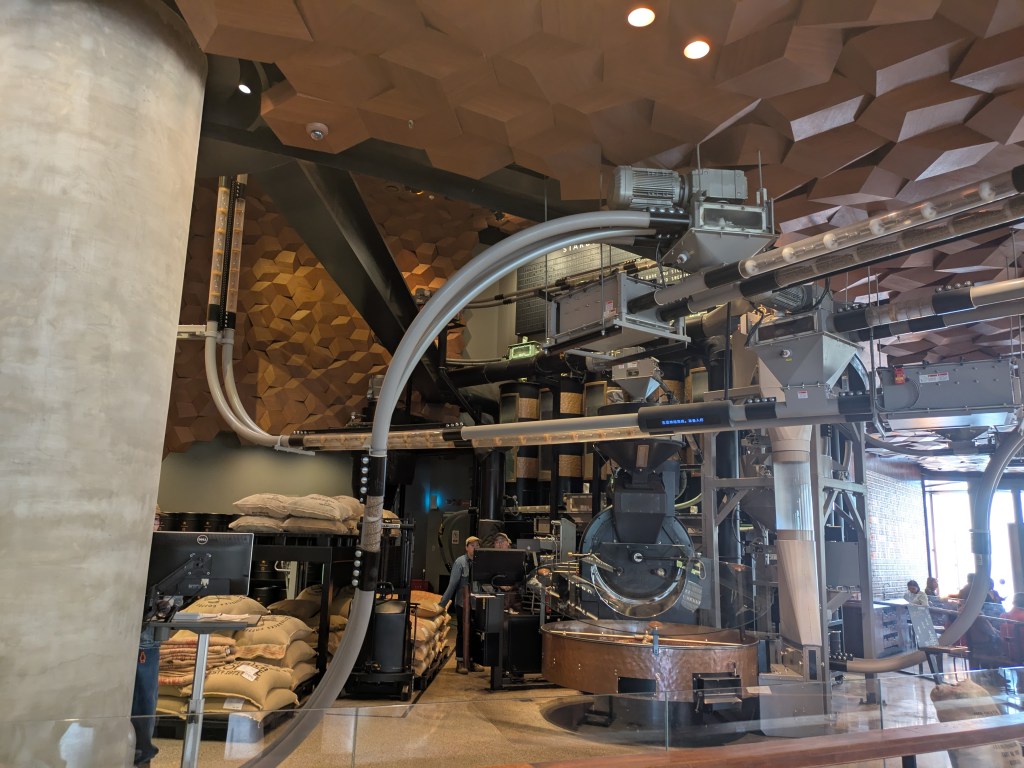
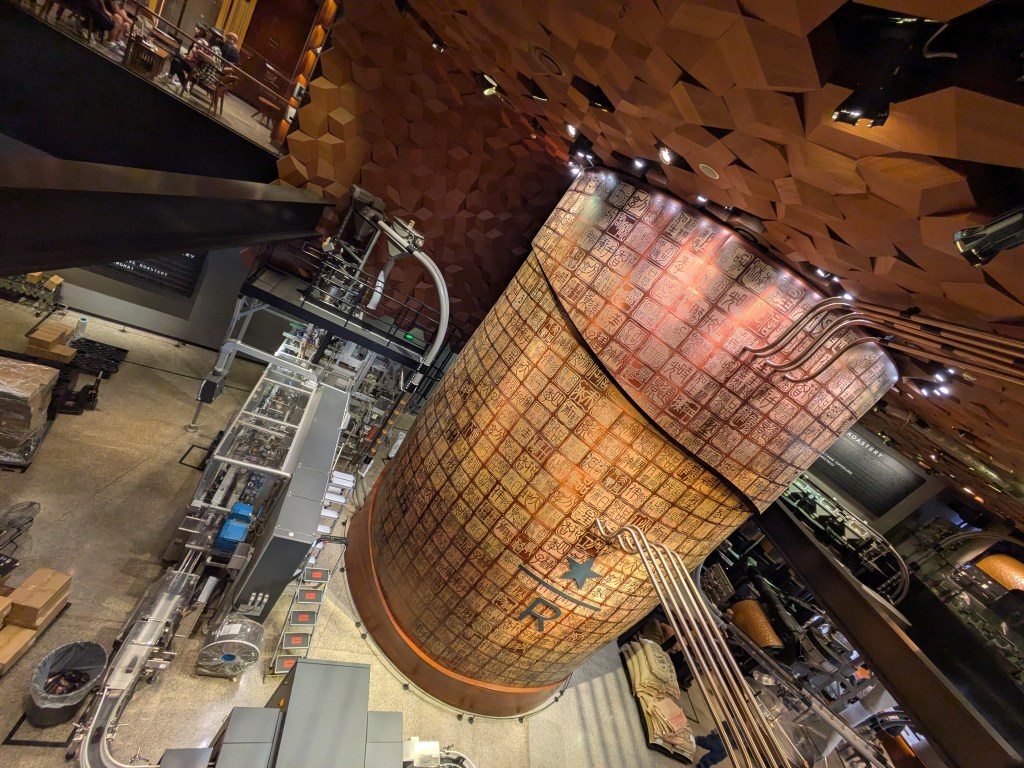
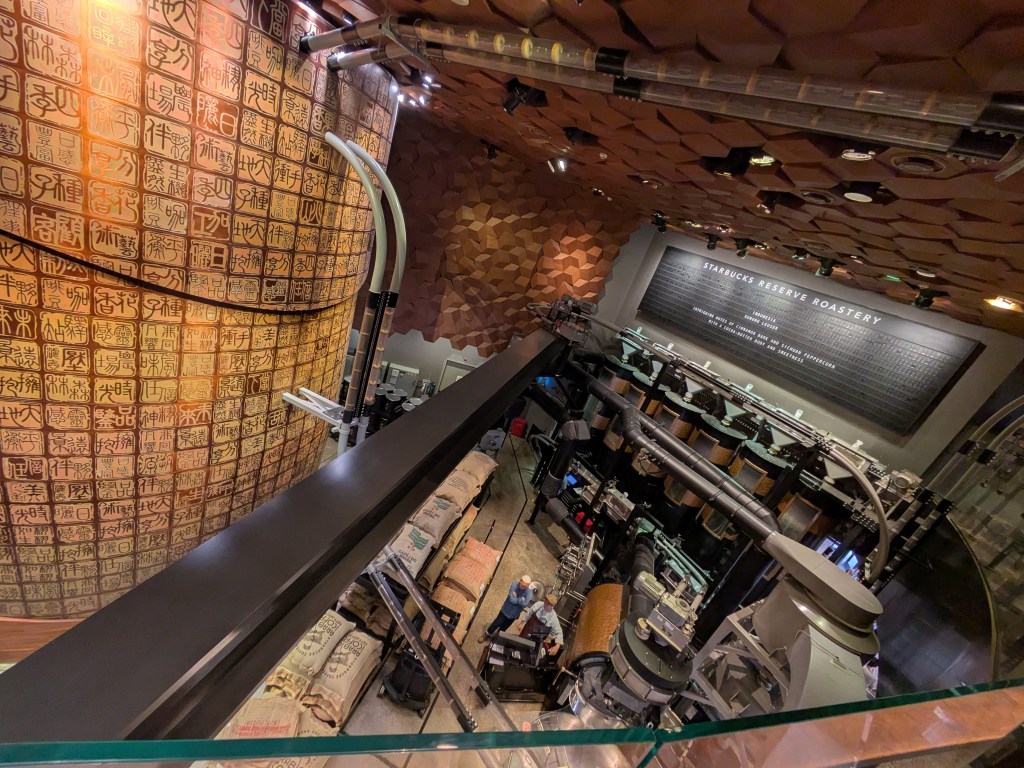
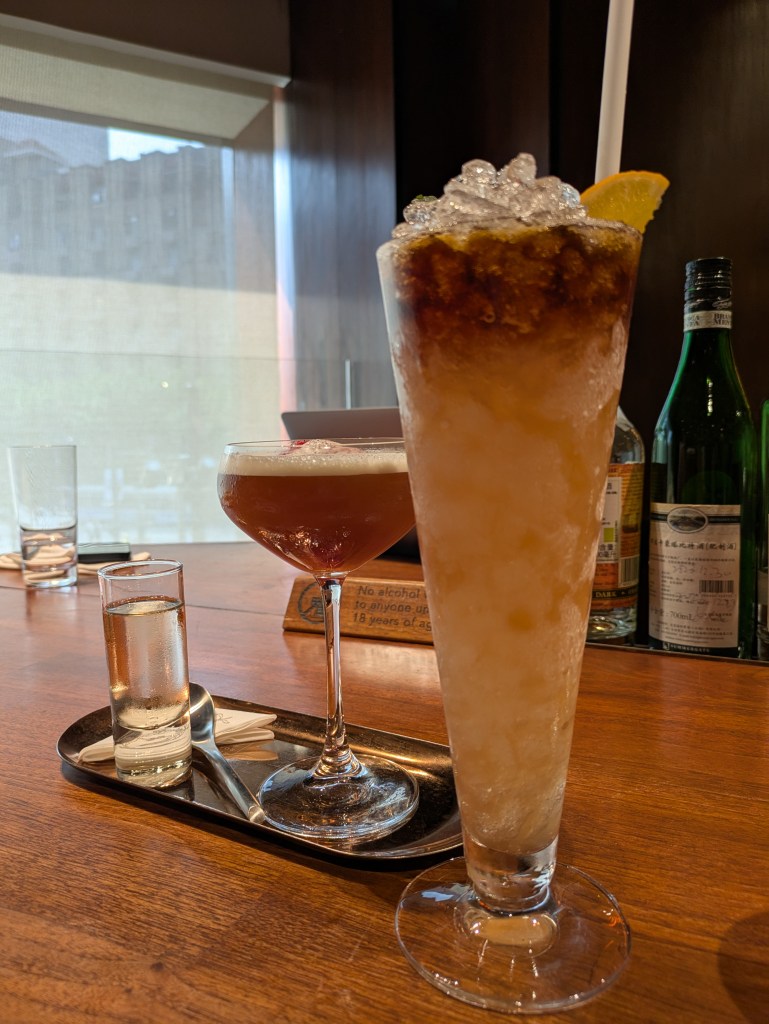
I would not be a Starbucks fan, but I had read about the reserve when researching Shanghai. It is the world’s largest Starbucks and has in-house coffee roasting, three coffee bars (including the world’s longest Starbucks bar at 88 feet), a tea bar, and an AR experience (if that’s your thing). I mainly went here because they had a cocktail bar with each cocktail having coffee as an ingredient.
Propaganda Poster Museum
I’d read that the Propaganda Poster Museum was a must see, but it’s quite hard to find. It’s located on the 7th floor of a large commercial building. When we got to the entrance, we decided to follow others who looked like tourists and they led us straight to it. It was fascinating to see all the posters and images used in magazines over the decades, especially those that addressed happenings in other countries – specifically the civil rights protests in the US.
Fake Markets
We took a trip to the Fake Markets and it was an experience. I hadn’t planned on buying anything here but once I saw Lucy’s negotiation skills in action that soon changed. I came away with a new suitcase, a backpack and a new handbag along with a couple of smaller things – and thankfully I saw sense and didn’t buy a new Le Creuset set to bring home!
 The Cocktail Tourist